Burntwood, United Kingdom
- 29,244 people
- 13 places to visit
- 52.6799, -1.9218
Places to Visit (13)
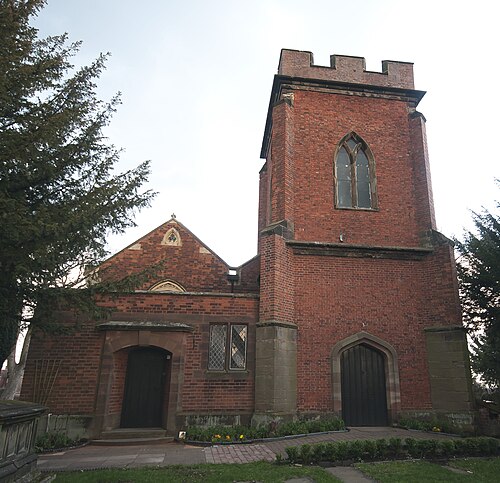
Burntwood is a town situated in the Lichfield District of Staffordshire, England, within the United Kingdom. Located approximately 3 miles to the southwest of Lichfield and around 16 miles north of Birmingham, it serves as a residential area with a population of about 26,000 as of the 2021 census. Historically, Burntwood was part of the larger parish of the ancient village of Chase Terrace and has roots tracing back to the 19th century, when it experienced significant growth due to coal mining and the expansion of the local economy. The town's name derives from the nearby Burntwood Common, a natural area that evokes a sense of the region's rural heritage and history.
The town's development accelerated after the coal mines ceased operation in the 1960s, prompting a shift towards housing and retail. Burntwood is now characterized by a mix of residential neighborhoods, parks, and community facilities, making it an appealing location for families and commuters. Its infrastructure has expanded to include a variety of schools, shops, and recreational centers, alongside parks such as Chasewater Country Park, which provides opportunities for outdoor activities and leisure. The town is well-connected via the A5190 and A5 roads, contributing to easy access to larger cities like Birmingham and Lichfield. Burntwood’s community-oriented atmosphere is further enhanced by local events, markets, and initiatives aimed at fostering social interaction and bringing residents together.
Facts about Burntwood
- Burntwood was established as a town in the post-1960s and officially became part of the District of Lichfield in Staffordshire.
- The town's name is believed to derive from a mix of the Old English words for 'burnt' and 'wood', reflecting its historical woodlands and the significance of charcoal production.
- Burntwood is home to the Chasewater Country Park, which offers recreational opportunities such as cycling, walking, and fishing, making it a popular green space for locals and visitors.
- The town is part of the West Midlands, yet it maintains a semi-rural character, offering residents both community amenities and access to natural landscapes.
- Burntwood has been a focal point for community events such as the annual Burntwood Festival, which encourages local arts, crafts, and community engagement.
- St. John's Community Church, founded in the 1950s, reflects Burntwood's growth during the post-war housing boom, showcasing the town's development as a residential area.
- The Burntwood Memorial Community Association plays a significant role in promoting local history and community initiatives, distinguishing it from other towns lacking such focused organizations.
- The town has limited transportation links, which contributes to its quieter, more suburban character compared to nearby towns with more extensive public transport networks.
- Burntwood was historically part of the mining industry, specifically coal mining, which played an important role in its economic development in the 19th and 20th centuries.
- The Burntwood Leisure Centre offers a variety of sports and fitness activities, highlighting the town's commitment to promoting health and well-being among its residents.