Bury St Edmunds, United Kingdom
- 42,812 people
- 16 places to visit
- 52.2469, 0.7113
Places to Visit (16)
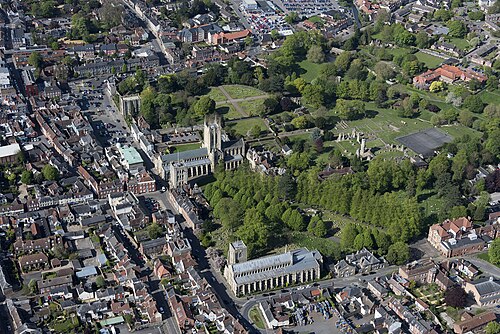
Bury St Edmunds is a historic market town located in the county of Suffolk, England. The town sits approximately 30 miles north of London and serves as a hub for the surrounding rural areas. Bury St Edmunds is famous for its rich history, which dates back to the Roman period, when it was known as a settlement called Exning. The town grew in prominence during the medieval period, particularly after the establishment of the Abbey of St Edmund in the 11th century, which became an important pilgrimage site. The legacy of the abbey is reflected in the architecture and layout of the town, with ruins that attract many visitors today.
The town is characterized by its picturesque streets, showcasing a mix of medieval, Tudor, and Georgian architecture. TheMarket Place, which hosts a thriving market twice a week, is the focal point of the town's social and economic life. Bury St Edmunds is also notable for its spacious green parks, including the beautiful Abbey Gardens, which feature the remaining sections of the abbey's structure, lush floral displays, and scenic pathways. Cultural attractions abound, with the Theatre Royal, one of the few surviving Victorian playhouses in the country, offering a diverse range of performances throughout the year. The town's strong sense of community is evident in its numerous festivals, including the annual St Edmundsbury Flower Festival and the Christmas Fayre, attracting both locals and tourists alike.
Bury St Edmunds also plays a significant role in contemporary life, boasting a thriving economy bolstered by retail, hospitality, and tourism. The town's picturesque surroundings make it an attractive destination for visitors interested in history and culture, while its position as a gateway to the Suffolk countryside invites outdoor activities and exploration. The educational landscape is heightened by the presence of several schools and colleges, providing options for families living in the area. With its charming blend of historical significance and modern vibrancy, Bury St Edmunds continues to thrive as a sought-after destination in the United Kingdom.
Facts about Bury St Edmunds
- Bury St Edmunds is home to the ruins of the 11th-century Abbey of St Edmund, which played a significant role in the town's history and was a focal point of medieval pilgrimage.
- The town was named after St Edmund, the East Anglian king who was martyred in 869 AD, and his shrine remains a significant historical site.
- Bury St Edmunds is famous for its Greene King brewery, established in 1799, which is one of the oldest breweries in the UK and known for its traditional ales.
- The town hosts the Bury St Edmunds Festival, an annual event featuring a wide range of arts, music, and cultural performances, attracting visitors from across the region.
- Bury St Edmunds has a unique historical link to the signing of the Magna Carta in 1215, with the nearby Abbey being a place of negotiation between King John and barons.
- The town is known for its stunning Georgian architecture, particularly along its historic streets, which includes the iconic Angel Hill and St. Mary's Church.
- Bury St Edmunds features the only surviving Regency-style theatre in the UK, the Theatre Royal, which was originally built in 1819 and still hosts performances today.
- The historic market of Bury St Edmunds dates back to the 10th century and is one of the oldest in the UK, continuing to be a vibrant and essential part of local life.
- The town is home to the beautiful Abbey Gardens, which are situated on the site of the former Abbey and include a variety of floral displays, walking paths, and historic ruins.
- Bury St Edmunds was once the capital of the Anglo-Saxon kingdom of East Anglia, making it significant in the history of the region.