Butare, Rwanda
- 89,600 people
- 4 places to visit
- -2.6005, 29.7419
Places to Visit (4)
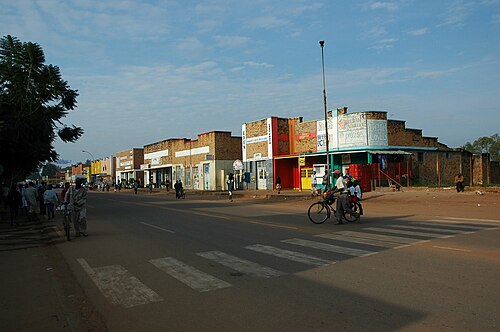
Butare, located in the Southern Province of Rwanda, is one of the country's most significant cities, renowned for its cultural and historical importance. Formerly known as Astrida during the Belgian colonial era, Butare has earned a reputation as Rwanda's intellectual hub, largely due to the presence of the National University of Rwanda, which was established in 1978. This institution has contributed to the city's vibrant scholarly community and has allowed it to play a crucial role in the development of education in Rwanda. Additionally, Butare is home to several key museums, including the Rwanda Museum, which showcases the nation's rich cultural heritage, and the Ethnographic Museum, offering insights into the traditional lifestyles and practices of Rwandan people.
The city is situated approximately 135 kilometers south of the capital, Kigali, and is characterized by its lush hills and favorable climate, which contribute to its picturesque scenery. Butare serves as a vital commercial center, with various markets and businesses supporting the local economy. The town is also notable for its historical landmarks, including the remnants of colonial architecture and churches that reflect its past. However, Butare's history is not without tragedy; like many parts of Rwanda, it was deeply affected by the 1994 genocide, which resulted in significant loss of life and altered the social fabric of the region. In the years since, Butare has made strides toward reconciliation and rebuilding, with ongoing efforts to promote tourism and cultural exchange. Today, the city symbolizes both remembrance and renewal, attracting visitors who wish to learn about Rwanda's history and its journey towards recovery.
Facts about Butare
- Butare, formerly known as Astrida, is the fourth-largest city in Rwanda and serves as the capital of the Huye District.
- It is home to the National University of Rwanda, one of the oldest and most prestigious universities in the country, established in 1978.
- Butare houses the Rwanda National Museum, which showcases the country's cultural heritage and history, making it a significant cultural center.
- The city is known for its colonial architecture, with several buildings reflecting French and Belgian influences from the early 20th century.
- Butare has a reputation as an educational hub, with several secondary schools and vocational training institutions located in the area.
- The city is surrounded by beautiful lush hills and is part of the country's southern province, known for its tea estates and agricultural activities.
- Butare is associated with the 1994 Rwandan Genocide, as notable events and memorials linked to this tragic period are found in the region.
- The town hosts the annual Huye Cultural Festival, which celebrates Rwandan culture through music, dance, and traditional storytelling.
- Butare is strategically located near important archaeological sites, including those related to ancient Rwandan civilizations.
- The city is well-known for its vibrant local markets, where visitors can find handmade crafts, agricultural products, and traditional Rwandan foods.