Butha-Buthe, Lesotho
- 40,599 people
- 1 places to visit
- -28.7654, 28.2468
Places to Visit (1)
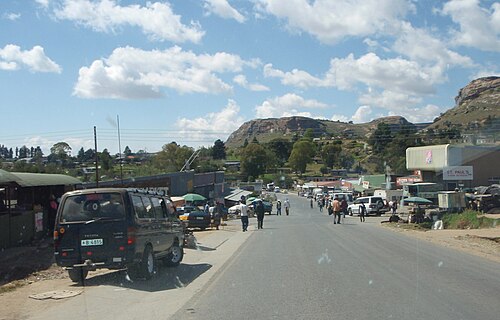
Butha-Buthe is a picturesque town located in the northern part of Lesotho, situated at the foothills of the Drakensberg Mountains. It serves as the capital of the Butha-Buthe District and is a key administrative and commercial center in the region. The town lies approximately 120 kilometers northeast of the Lesotho capital, Maseru, and is strategically positioned near the border with South Africa, making it an essential transit point for trade and travel. With an elevation of around 1,800 meters above sea level, Butha-Buthe enjoys a temperate climate that reflects the mountainous terrain of Lesotho, characterized by chilly winters and warm summers.
The name "Butha-Buthe," which translates to "the place of the hut," is derived from the traditional Basotho lifestyle, where round huts were commonly built for shelter. Butha-Buthe has been significant in Lesotho's history, originally serving as a settlement during the Basotho Wars in the 19th century. Today, the town is known for its vibrant cultural heritage, with many residents practicing traditional customs and crafts. Notable attractions in and around Butha-Buthe include the nearby Katse Dam, which is one of the largest dams in Africa and is part of the Lesotho Highlands Water Project, supplying water to South Africa. The mountainous landscape offers opportunities for outdoor activities such as hiking, horseback riding, and birdwatching, drawing both local and international visitors.
Economically, Butha-Buthe is a hub for agriculture, with the surrounding fertile lands producing crops such as maize, beans, and potatoes. The town has also witnessed growth in small-scale industries and services, contributing to the local economy. As an important juncture for trade, Butha-Buthe facilitates cross-border commerce and has improved access to markets and resources for its residents. The town is home to a growing population, characterized by its warm community spirit and hospitality, often regarded as a reflection of the broader Basotho culture. As Lesotho continues to develop, Butha-Buthe remains a vital part of the nation’s identity and economic landscape, preserving its rich history while looking towards a future of growth and opportunity.
Facts about Butha-Buthe
- Butha-Buthe is known for being the second-largest town in Lesotho, strategically situated near the northern border with South Africa.
- The town was established as a supply depot during the Basotho wars and is considered a historical point of interest in the region.
- Butha-Buthe is home to the famous Maletsunyane Falls, one of the highest single-drop waterfalls in southern Africa, which attracts tourists and adventure seekers.
- The town serves as a major agricultural hub in Lesotho, especially known for its production of vegetables and other crops, distinguishing it from more industrialized towns.
- Butha-Buthe hosts a vibrant craft market where local artisans sell handmade goods, providing a unique cultural experience compared to other cities.
- The town has a rich cultural heritage with various traditional Basotho festivals celebrated throughout the year, contributing to its unique identity.
- The local economy benefits from cross-border trade with South Africa, making it a lively commercial center that stands out from other towns.
- Butha-Buthe is situated in a picturesque mountainous region, offering stunning views and opportunities for hiking and outdoor activities, unlike flatter areas in Lesotho.
- The area surrounding Butha-Buthe is known for its unique rock formations and ancient San rock art, providing historical significance not commonly found in other parts of the country.
- Butha-Buthe was the first town in Lesotho to introduce a private sector-driven urban development plan, showcasing its progressive approach to urban planning and growth.