Butte MT, United States
- 34,190 people
- 17 places to visit
- 46.0038, -112.5348
Places to Visit (17)
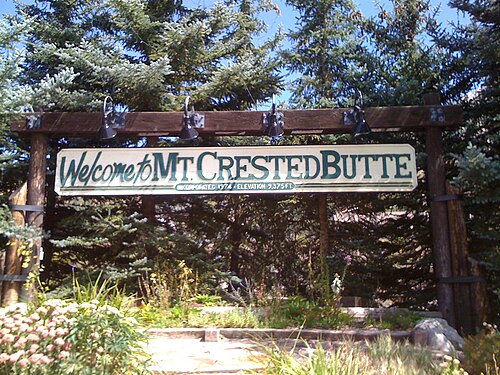
Butte, Montana, is a city located in the northwestern part of the United States, nestled in the Rocky Mountains. Known as the "Richest Hill on Earth," Butte's history is deeply intertwined with mining, particularly copper mining, which significantly shaped its development from the late 19th century onward. Founded in the 1860s, Butte grew rapidly as a result of the mining boom, becoming one of the largest cities in Montana by the early 1900s. The city served as a central hub for miners and their families, leading to a rich tapestry of cultural diversity, which included a significant influx of immigrants from Europe, particularly the Irish, Cornish, and Eastern European communities. This diverse heritage is still evident in the city’s festivals, architecture, and local cuisine.
As the mining industry began to decline in the mid-20th century, Butte faced economic challenges, leading to a decreased population. However, the city has since embraced preservation and revitalization efforts, focusing on its historical significance and unique old-world charm. The Butte Anaconda Historic District, a designated National Historic Landmark, features a wealth of historic buildings, including the Majestic Inn and the Butte Civic Center. The city is also home to the World Museum of Mining, which showcases the region’s mining heritage and provides insights into the life of miners and their families. Butte is situated at a crossroads of outdoor recreation, offering access to hiking, fishing, and skiing opportunities nearby, drawing visitors who appreciate both its historical context and natural beauty. Despite its challenges, Butte continues to foster a sense of community and pride, marked by its resilience and rich cultural heritage.
Facts about Butte
- Butte was once known as the 'Richest Hill on Earth' due to its significant deposits of copper, gold, and silver, making it a major mining hub in the late 19th and early 20th centuries.
- The city experienced rapid growth during the copper boom, with its population reaching over 100,000 in the early 1900s, making it the largest city in Montana at that time.
- Butte is home to the 'World Museum of Mining', which features over 50 historic structures and exhibits that showcase the region's mining history and heritage.
- The town has a rich Irish heritage, celebrated annually during the St. Patrick's Day celebration, one of the largest festivities of its kind in the western United States.
- Butte is known for its unique architectural landscape, including the grand copper-domed courthouse and numerous historic buildings that reflect its mining past.
- The city has a vibrant arts scene and is home to the 'Butte Symphony Orchestra', one of the oldest continuously operating symphonies in the state of Montana.
- Butte is the birthplace of several notable individuals, including the famous actor and director Gary Cooper, who won two Academy Awards for Best Actor.
- The 'Butte Trolley', established in 1914, is one of the oldest trolley systems in the United States and is often featured in tours highlighting the city's history.
- The city boasts over 300 historic buildings and is listed on the National Register of Historic Places, making it a prime location for history enthusiasts.
- Butte hosts the 'Montana Folk Festival', one of the largest free music festivals in Montana, showcasing diverse musical acts and cultural heritage annually.