Bydgoszcz, Poland
- 366,452 people
- 17 places to visit
- 53.1235, 18.0084
Places to Visit (17)
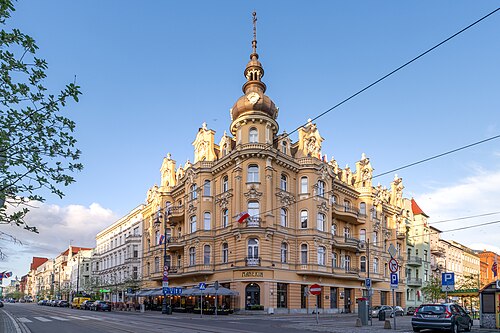
Bydgoszcz is a vibrant city located in northern Poland, along the banks of the Brda and Vistula rivers. It serves as the capital of the Kuyavian-Pomeranian Voivodeship and is one of the country's largest urban centers. With a population exceeding 350,000, Bydgoszcz is known for its rich history, sprawling green spaces, and diverse architectural styles, ranging from Gothic and Baroque to modernist designs. The city's history dates back to the 14th century when it was founded as a fishing settlement. Over the centuries, it evolved through various political changes, influenced by both Polish and German cultures, especially during the partitions of Poland. Bydgoszcz's strategic location made it a significant trade and transportation hub, further enhancing its development through the construction of canals and railways.
The urban landscape of Bydgoszcz is characterized by its impressive waterways, which include the Mill Island, a picturesque area that serves as the heart of the city's historical district. The Old Market Square, adorned with colorful tenements and vibrant cafes, reflects the city’s bustling atmosphere. Bydgoszcz is also home to notable cultural institutions, including the Opera Nova and the Bydgoszcz Philharmonic, attracting art enthusiasts and visitors alike. The city hosts a variety of events throughout the year, such as the Bydgoszcz Musical Impressions festival and the Sport, Activity, and Climate forum. In addition to its cultural attractions, Bydgoszcz is recognized for its green spaces, including the beautifully landscaped Kazimierz Wielki Park and the nearby Bydgoszcz Forest, which provide recreational opportunities for residents and tourists.
Bydgoszcz boasts a strong educational presence, with several universities and colleges contributing to the city's intellectual life and providing a youthful energy. The city is also an economic center, with industries such as manufacturing, logistics, and IT shaping its economy. The local administration has invested in infrastructure and urban development to enhance the quality of life and support sustainable growth. Bydgoszcz's blend of history, culture, and modernity makes it a unique and appealing destination for visitors exploring Poland, while its ongoing development ensures it remains a significant player in the region’s future.
Facts about Bydgoszcz
- Bydgoszcz is home to the world's only surviving 'Bydgoszcz Canal' which connects the Vistula and Oder rivers and dates back to the 18th century, revolutionizing inland navigation.
- The Bydgoszcz 'Granaries' (Spichrzów) are a unique collection of historic granary buildings along the Brda River, serving as a major example of the city’s rich Hanseatic history.
- Bydgoszcz is known for its stunning Art Nouveau architecture, including the iconic 'Bydgoszcz Cathedral', which features elaborate stained glass and intricate details.
- The city is recognized for the Bydgoszcz Film Festival, which showcases independent films and promotes cinema culture in Poland, differentiating it from many other Polish cities.
- Bydgoszcz boasts the 'Opera Nova', a modern opera house that hosts significant cultural events, contributing to the city's reputation as a cultural hub in Poland.
- The ‘Mill Island’ is a unique historical area in Bydgoszcz that features a series of mills and is a popular tourist spot, making it distinct in the landscape of Polish cities.
- Bydgoszcz is home to the 'Exploration of the Universe' mission, with the city's astronomical observatory being one of the leading institutions for astronomical research in Poland.
- The city has a rich musical tradition, as it is the birthplace of several notable composers, including the famous Polish pianist and composer, Tadeusz Baird.
- Bydgoszcz features Poland's largest rowing center, which has hosted international competitions, setting it apart as a center for water sports in the country.
- The diverse ecosystems around Bydgoszcz, including protected wetlands and parks, make the city an important location for nature conservation and biodiversity in Poland.