Bytom, Poland
- 189,186 people
- 14 places to visit
- 50.3484, 18.9157
Places to Visit (14)
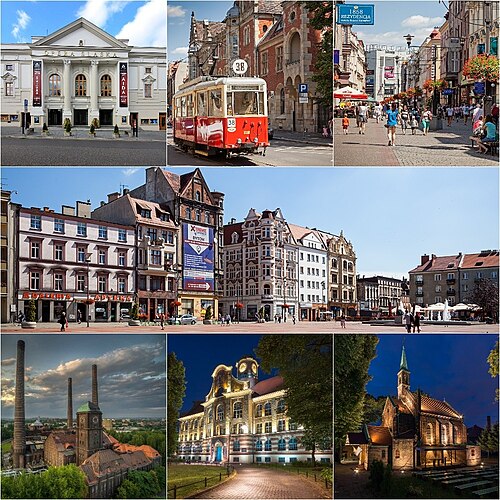
Bytom is a city located in the Silesian Voivodeship of southern Poland, known for its rich industrial heritage and cultural significance. With a population of approximately 170,000 residents, Bytom is one of the main urban centers in the Upper Silesian region. Historically, the city emerged in the medieval period, with its first recorded mention dating back to 1203. Bytom became prominent during the 19th and early 20th centuries due to the booming coal mining and steel industries. This industrial activity attracted a diverse workforce and contributed to the city's economic development, transforming it into a vital center for manufacturing in Poland.
Architecturally, Bytom is characterized by a blend of historical structures and modern buildings. The city's Old Town features notable sites such as the Gothic-style Church of St. Mary Magdalene and the elegant Market Square, which has retained its charm with colorful townhouses and bustling cafes. Bytom is also home to several museums, including the Silesian Museum, which showcases the region's history, art, and culture. In recent years, the city has faced economic transitions as industries have declined, but local authorities have invested in revitalization projects to enhance urban infrastructure and improve the quality of life for residents. Cultural events, festivals, and initiatives promoting tourism are part of Bytom’s efforts to re-establish its reputation as a vibrant city in the Silesian region. Overall, Bytom represents a unique intersection of history, culture, and modern revitalization amid the challenges of post-industrial transformation.
Facts about Bytom
- Bytom is part of the Silesian Metropolis, a conurbation that includes several cities, making it one of the most densely populated areas in Poland.
- The city has a rich industrial history, particularly known for its coal mining and heavy industries, which shaped its economic landscape in the 19th and 20th centuries.
- Bytom is home to the exceptional neo-Gothic St. John the Baptist church, which is one of the tallest churches in Poland, showcasing the city’s architectural heritage.
- The Bytom City Park, established in the 19th century, is one of the oldest parks in Silesia, featuring beautiful landscapes and historical monuments.
- Bytom has a unique tradition of the 'Bytomian Tea Festival', celebrating the cultural significance of tea in the region, distinguishing it from other Polish cities.
- The city's extensive underground tourist route, exploring the former coal mines, provides visitors with a glimpse into its industrial past, a feature not commonly found in other Polish cities.
- Bytom's cultural scene is highlighted by the Bytom Theater, one of the oldest in Silesia, which contributes significantly to the local arts and entertainment.
- Despite its industrial past, Bytom is increasingly focusing on sustainable development and urban revitalization projects, setting it apart from other post-industrial cities in Poland.
- The city has been recognized for its efforts in revitalizing historical buildings, including the renovation of the historic Bytom Market Square, enhancing its cultural value.
- Bytom is also known for its vibrant music scene and hosts various music festivals, which attract artists from across Poland and beyond, showcasing its cultural dynamism.