Cabanatuan City, Philippines
- 327,325 people
- 11 places to visit
- 15.4865, 120.9734
Places to Visit (11)
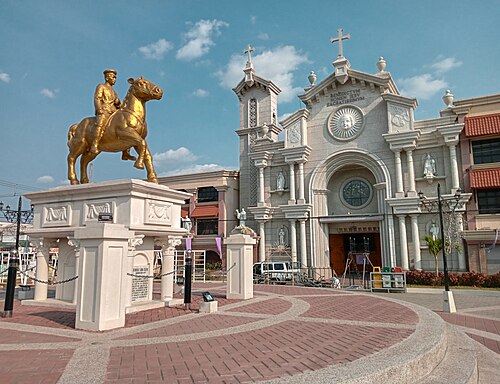
Cabanatuan City, situated in the province of Nueva Ecija, Philippines, is known as one of the largest and most significant urban centers in the Central Luzon region. Founded in 1750, Cabanatuan has a rich historical background, playing a crucial role during the Philippine-American War and World War II. The city gained attention during the latter conflict as the site of the infamous Cabanatuan POW Camp, where thousands of American and Filipino soldiers were imprisoned. Cabanatuan's strategic location, about 110 kilometers north of Manila, has made it an essential hub for trade and agriculture, particularly in rice and other agricultural products, owing to the fertile plains surrounding it.
Modern Cabanatuan City is characterized by rapid urbanization, infrastructure development, and a commitment to education and healthcare. The city is home to several educational institutions, including the renowned Central Luzon State University, which contributes to its reputation as an academic center. Cabanatuan's economy is diverse, with key sectors involving agriculture, retail, and manufacturing. The city also features various commercial establishments, such as shopping malls and local markets, contributing to a vibrant local economy. Cultural events, such as the annual "Hapil Festival," showcase the city's rich traditions and community spirit, attracting both residents and visitors alike. Cabanatuan’s ongoing development and cultural heritage make it an important and dynamic city in the Philippines.
Facts about Cabanatuan City
- Cabanatuan City is known as the 'Rice Granary of the Philippines' due to its rich agricultural lands and significant rice production.
- It served as a military headquarters during World War II and is home to the historic Cabanatuan City Liberation Memorial, commemorating the rescue of American and Filipino prisoners of war.
- Cabanatuan City is famous for its distinct local delicacy called 'Cabanatuan longganisa,' a type of sweet pork sausage that has gained popularity across the region.
- The city is known for the 'Cabanatuan City Fish Port,' one of the largest fish ports in the country, contributing significantly to the local economy and seafood supply.
- Every September, Cabanatuan City celebrates the 'Cabanatuan City Fiesta,' which showcases local culture, traditions, and a variety of colorful street parades.
- It has the largest population in Nueva Ecija province and is one of the most densely populated cities in the Philippines, reflecting its urban importance.
- Cabanatuan City is home to various educational institutions, including the Central Luzon State University, which is recognized for its agricultural education programs.
- The city has a rich historical background with the presence of ancestral houses and heritage sites, particularly from the Spanish colonial period.
- Cabanatuan is strategically located, serving as a gateway to northern Luzon, making it a hub for commerce and trade in the region.
- The city boasts a vibrant marketplace known as the 'Cabanatuan City Public Market,' which is a major trade center for agricultural products and goods.