Cabra, Spain
- 21,352 people
- 6 places to visit
- 37.4734, -4.4425
Places to Visit (6)
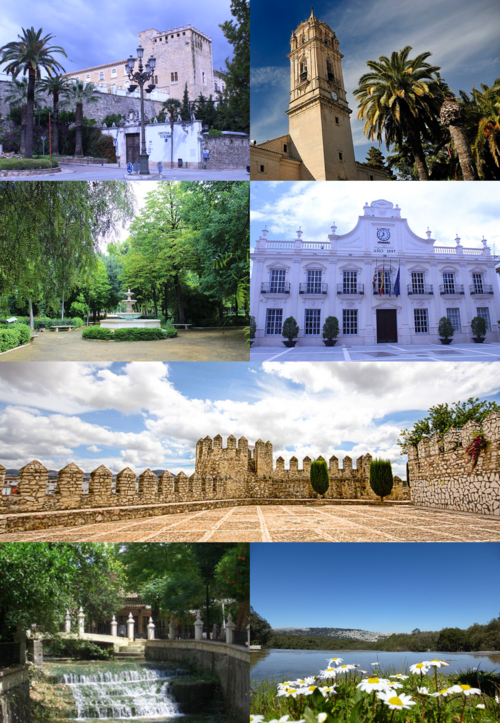
Cabra is a municipality located in the province of Córdoba, within the autonomous community of Andalusia, southern Spain. Nestled in the foothills of the Sierra de Cabra mountain range, it is characterized by its picturesque landscapes and historic architecture. The town boasts a population of approximately 20,000 inhabitants and has a rich cultural heritage that reflects centuries of history. Cabra's name is derived from the Arabic term "Qabra," which means "the goat," indicating its agricultural roots and the importance of pastoral farming in the region.
Historically, Cabra has been a significant site since Roman times, evident from archaeological findings in the area. The town features various architectural styles, including Mudejar, Gothic, and Baroque, with notable landmarks such as the Church of Nuestra Señora de la Asunción, a 16th-century structure known for its impressive altarpieces and bell tower. Additionally, the town is home to the Palace of the Marquis of Cabra, reflecting its past aristocratic influence. Cabra is also famous for its local festivals, including the Fiesta de la Candelaria in February, which celebrates the town's patron saint with vibrant processions, and the Easter Semana Santa, featuring traditional religious ceremonies and elaborate floats.
Due to its strategic location, Cabra serves as a gateway to the natural parks of the Sierras Subbéticas, attracting nature enthusiasts and hikers. The area is known for its olive groves and agricultural production, particularly olives and almonds, which play a vital role in the local economy. The town emphasizes sustainability and rural development, contributing to its charm and cultural significance in this historic part of Spain. Cabra's blend of cultural richness, natural beauty, and agricultural tradition make it an interesting destination for visitors exploring Andalucía.
Facts about Cabra
- Cabra is located in the province of Córdoba, Andalusia, and is known for its historic architecture dating back to the Moorish period.
- The town is famous for its production of quality olive oil, contributing significantly to the region's agricultural economy.
- One of the most notable landmarks in Cabra is the Iglesia de Nuestra Señora de la Asunción, which houses impressive Baroque altarpieces.
- Cabra has a rich history of festivals, including the annual Semana Santa (Holy Week) celebrations that feature traditional religious processions.
- The city is surrounded by stunning natural landscapes, including the Sierras Subbéticas Natural Park, making it a popular destination for hiking and outdoor activities.
- Cabra was historically significant as a strategic point during the Reconquista, and remnants of this history can still be seen in the town's architecture.
- The town hosts an unusual annual festival known as 'La Fiesta de las Cruces,' where artistic displays of crosses are created throughout the streets.
- Cabra is also recognized for its unique gastronomy, particularly its cheeses and local dishes like 'salmorejo' and 'flamenquín.'
- The Cave of Cabra, locally known as 'Cueva de Cabra,' is an important archaeological site featuring prehistoric cave art, reflecting the area's ancient human habitation.
- In recent years, Cabra has earned a reputation for being a dynamic community with a rich cultural blend, hosting various events that celebrate both local traditions and contemporary arts.