Cabuyao, Philippines
- 308,745 people
- 8 places to visit
- 14.2471, 121.1367
Places to Visit (8)
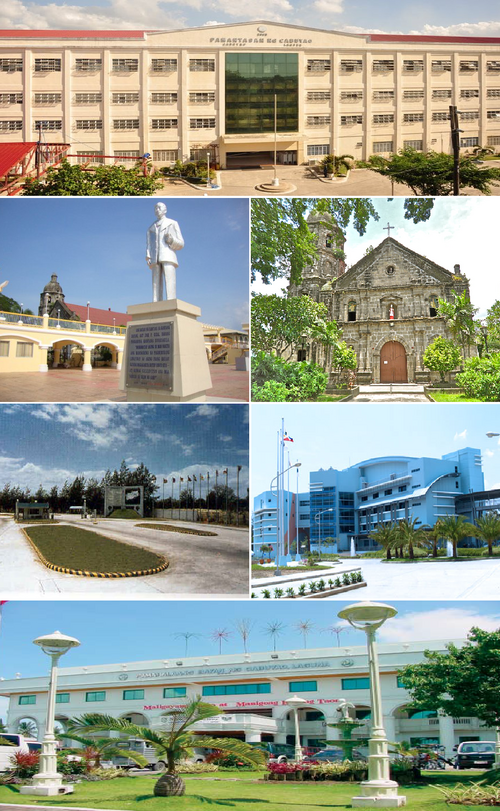
Cabuyao is a city located in the province of Laguna in the Philippines, situated about 50 kilometers south of Manila. This rapidly growing urban area has its roots as a rural town, with its history tracing back to the Spanish colonial period when it was established as a pueblo. Cabuyao became an independent municipality in 1901 and was later officially converted into a city on February 14, 2011. The city is known for its strategic position within the Calabarzon region, making it an attractive hub for commerce and industry. As of the 2020 census, Cabuyao has a population of over 300,000 residents, a number that continues to grow as more people are drawn to its economic opportunities.
Economically, Cabuyao is notable for its industrial parks and manufacturing facilities, which have attracted a diverse range of businesses. The city is home to several large multinational corporations, particularly in the electronics, food, and textile industries. Its proximity to major highways, such as the South Luzon Expressway (SLEX), facilitates transportation and logistics, enhancing its attractiveness for investments. In addition to its industrial landscape, Cabuyao has a vibrant community and cultural scene, featuring numerous festivals that celebrate local heritage and traditions. One of the most significant events is the Pagbabalik Festival, which honors the city's patron saint, San Isidro Labrador. This festival showcases the city’s agricultural background and highlights the importance of rice farming in the area’s economy. Over recent years, Cabuyao has also seen notable advancements in education and infrastructure, including the establishment of new schools and health facilities, driving the city towards continued growth and development.
Facts about Cabuyao
- Cabuyao is known for its historical significance as it was founded in 1571 and has played a prominent role in the history of Laguna province.
- The city is home to the famous St. Martin of Tours Parish Church, which features a unique blend of Baroque and modern architectural styles.
- Cabuyao has a vibrant economic landscape, being a hub for numerous industries, particularly in manufacturing and retail, which distinguishes it from other towns.
- The city hosts the annual Kabukiran Festival, celebrating its agricultural heritage and showcasing the local produce and cultural practices.
- Cabuyao is strategically located as a gateway to the southern provinces, making it a key transportation and logistics center in the region.
- The city is known for its beautiful natural landscapes, including the scenic views along the green hills and the proximity to numerous eco-tourism spots.
- Cabuyao has made significant progress in education, with several reputable schools and institutions contributing to the local development and workforce.
- The city is recognized for its commitment to sustainability and has initiated various programs focused on environmental protection and waste management.
- Cabuyao's population has grown rapidly, making it one of the most populous cities in the Laguna province, characterized by a diverse community.
- The city is also home to various historical markers and sites that celebrate its rich cultural heritage, distinguishing it from neighboring municipalities.