Caen, France
- 110,624 people
- 16 places to visit
- 49.1829, -0.3707
Places to Visit (16)
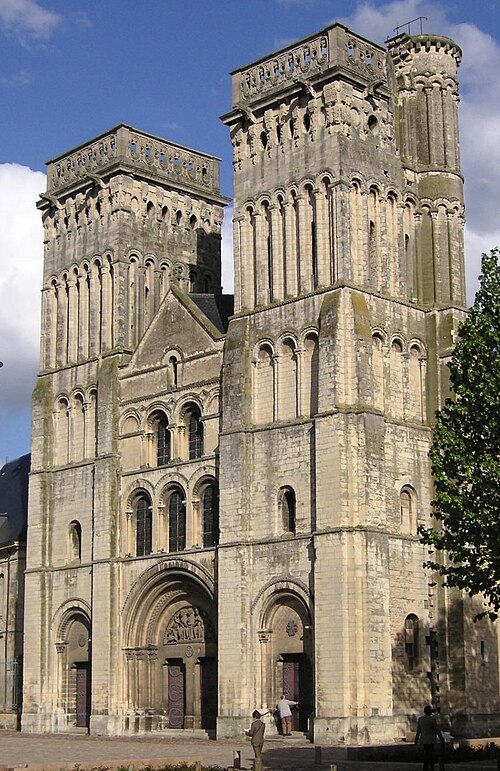
Caen is a historic city located in the Normandy region of northwestern France. It lies approximately 15 kilometers from the English Channel and serves as the capital of the Calvados department. The city has a rich history that dates back to the 10th century when it was founded by William the Conqueror, who established the Ducal Palace and the impressive Caen Castle. These landmarks are central to Caen’s historical identity, boasting architecture from the medieval era and offering a glimpse into the city’s past. In addition to the castle, Caen is home to two significant abbeys: the Abbaye aux Hommes, founded by William in 1063, and the Abbaye aux Dames, established by his wife, Matilda of Flanders, in 1062. These sites not only serve as religious institutions but also as monuments of Norman art and architecture, drawing visitors eager to appreciate their beauty and historical significance.
During World War II, Caen suffered extensive damage, especially during the Battle of Caen in 1944, a pivotal confrontation in the liberation of France from Nazi occupation. The reconstruction of the city was a massive undertaking, and today, Caen features a mix of historical and modern structures, reflecting both its turbulent past and its resilience. The city has a vibrant cultural life, with numerous museums, theaters, and annual events. Notably, the Memorial de Caen, a museum and war memorial, educates visitors about the impact of conflict and advocates for peace and tolerance. Caen is also known for its student population, thanks to a variety of higher education institutions, making it a lively place where history meets contemporary French culture. With its blend of historical charm, cultural richness, and modern amenities, Caen remains a significant city in France, attracting tourists and scholars alike.
Facts about Caen
- Caen is known for its historical significance as a major site in the Normandy Campaign during World War II, with the city being heavily bombed and ultimately liberated by Allied forces in June 1944.
- The city is home to the impressive Caen Memorial Museum, which focuses on peace and the history of World War II, making it a key site for education on conflict resolution.
- Caen features the beautiful Abbey of Saint-Étienne, also known as the Abbey of Men, founded by William the Conqueror in 1060, which showcases a blend of Romanesque and Gothic architecture.
- Caen has a unique feature in its architecture with the presence of the Caen limestone, a durable and attractive chalky stone that has been used in many historical buildings, including the famous Château de Caen.
- The city hosts the Festival of Cinema, an annual event that celebrates international cinema and attracts filmmakers and enthusiasts from around the world.
- Caen is renowned for its culturally vibrant scene and is home to several higher education institutions, including the University of Caen Normandy, founded in 1432.
- The city is located near the historic beaches of Normandy, such as Omaha Beach and Juno Beach, which are significant sites related to D-Day and World War II history.
- Caen's Botanical Garden is one of its hidden gems, featuring over 4,000 plant species, a beautiful Victorian-style greenhouse, and extensive landscaping, offering a rare serene escape in the city.
- The city has a distinct collegiate atmosphere and is often considered the intellectual hub of Normandy, which distinguishes it from other towns in the region.
- Caen has a rich culinary scene known particularly for its local products, including 'Camembert' cheese and 'Calvados' apple brandy, drawing food lovers to the area.