Cagayan de Oro, Philippines
- 445,103 people
- 15 places to visit
- 8.4803, 124.6498
Places to Visit (15)
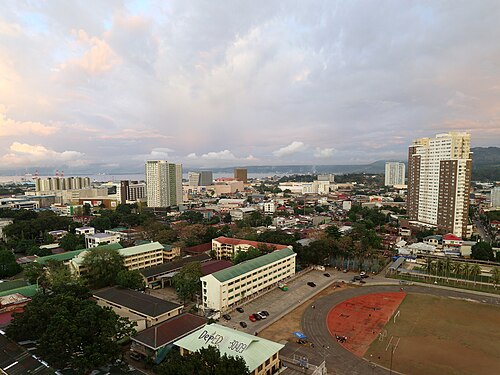
Cagayan de Oro, often referred to as CDO, is a city located in the northern part of Mindanao, Philippines. It serves as the capital of Misamis Oriental province and is one of the most significant urban centers in the region. With a population of over 700,000 as of the latest census, Cagayan de Oro is known for its vibrant culture, economic growth, and strategic location along the Cagayan de Oro River, which has historically provided both natural beauty and economic resources. The city's economy is diverse, heavily reliant on trade, manufacturing, and agriculture, with a growing emphasis on services and tourism. The area is also recognized for its educational institutions, contributing to a young and skilled workforce.
Cagayan de Oro is celebrated for its warm climate, outdoor adventures, and cultural heritage. The city serves as a gateway to various natural attractions, such as the stunning white-water rafting experiences along the Cagayan de Oro River, picturesque waterfalls, and nearby hiking trails that lead to mountainous regions. Additionally, the city hosts numerous festivals, with the most notable being the Higalaay Festival, which showcases the local community's appreciation of their culture and heritage through various activities, including street dancing and parades. The city's infrastructure has seen significant improvements, including modern roads, bridges, and commercial developments, making it an attractive destination for both local and international investors. With its blend of natural landscapes, cultural richness, and economic potential, Cagayan de Oro continues to emerge as a key player in the Mindanao region and the Philippines as a whole.
Facts about Cagayan de Oro
- Cagayan de Oro is known as the 'City of Golden Friendship' due to its hospitable residents and its local slogan promoting friendship and camaraderie.
- It is the capital city of Misamis Oriental and serves as a major hub for trade and commerce in the Northern Mindanao region.
- Cagayan de Oro is famous for the Del Monte plant, one of the largest pineapple processing facilities in the Philippines, contributing significantly to the local economy.
- The city is renowned for its river rafting and kayaking adventures on the Cagayan de Oro River, which attract both local and international tourists.
- Cagayan de Oro hosts the annual 'Hugyaw Hugyaw sa Cagayan de Oro' festival, a vibrant celebration of the city’s cultural heritage and is celebrated every August.
- The city is home to the famous St. Augustine Metropolitan Cathedral, a historical landmark known for its unique architectural style.
- Cagayan de Oro has a strong educational presence, with several universities and colleges, including Xavier University, which is known for its programs in agriculture and development.
- The city is not only a center for commerce but is also surrounded by natural tourist attractions like the Dahilayan Adventure Park and the Mapawa Nature Park.
- Cagayan de Oro played a significant role in Philippine history during World War II, serving as a refuge for many evacuees during the liberation of the Philippines.
- The city is strategically located at the convergence of all major transport routes, making it an important gateway to various regions in Mindanao.