Cahors, France
- 23,331 people
- 11 places to visit
- 44.4475, 1.442
Places to Visit (11)
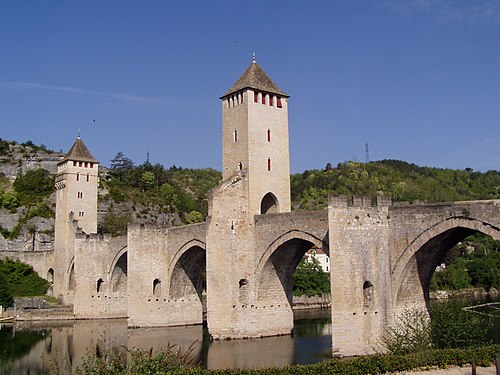
Cahors, a picturesque town in southwestern France, serves as the capital of the Lot department in the Occitanie region. Nestled at the confluence of the Lot River and the Cele River, it is renowned for its dramatic cliffs and beautiful landscapes. The town's history dates back to the Roman era, when it was known as "Divona," a significant settlement linked to the Roman road network. Cahors has preserved its rich architectural heritage, featuring medieval buildings, ancient bridges, and winding streets that invite exploration. Among its most iconic structures is the Valentré Bridge, a UNESCO World Heritage site, which dates back to the 14th century and exemplifies Gothic engineering.
Cahors is not only a historical gem but also a thriving center for arts, culture, and gastronomy. The town hosts various annual festivals, including the Cahors Blues Festival and the Fête de la Saint-Cirq, celebrating local traditions and attracting visitors from across the region. The local market, held every Wednesday and Saturday, showcases the rich agricultural offerings of the Lot region, including the famous Cahors Malbec wine, known for its deep color and robust flavor, making the area a renowned wine-producing region. Outdoor enthusiasts can enjoy hiking, cycling, and river activities in the surrounding countryside, further enhancing Cahors’ appeal as a destination that combines nature, history, and culture.
Facts about Cahors
- Cahors is famous for its iconic Valentré Bridge, a UNESCO World Heritage site, known for its three fortified towers and medieval architecture.
- The city is renowned for its rich history of wine production, particularly the Cahors wine, which is made primarily from Malbec grapes and has been cultivated here since Roman times.
- Cahors has a unique geology that contributes to its wine quality, featuring limestone and clay soils that enhance the flavor profile of its wines.
- The town is home to the Saint-Étienne Cathedral, which boasts an unusual bell tower design and is one of the few cathedrals in France that has a roof made from tiles reflecting its unique architectural style.
- Cahors hosts the annual Fête de la Saint-Michel, a vibrant festival celebrating the local grape harvest with wine tastings, food, and cultural events.
- The city played a significant role during the Hundred Years' War, serving as a strategic location for various battles and political negotiations.
- Cahors has an underground network of caves and passageways called the 'CrPaysages,' which have historical significance dating back to Gaulish times.
- The local architecture features a mix of medieval and Renaissance styles, with narrow, winding streets reflecting its rich historical narrative.
- Cahors' market on Wednesdays and Saturdays is a vibrant, bustling event where locals and visitors alike can find fresh produce, local specialties, and crafts.
- Cahors is located at the confluence of the Lot and Céou rivers, providing picturesque riverside views and opportunities for outdoor activities such as kayaking and hiking.