Cairo, Egypt
- 9,606,916 people
- 13 places to visit
- 30.0444, 31.2357
Places to Visit (13)
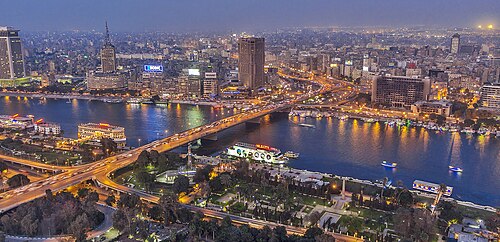
Cairo, the capital of Egypt and one of the largest cities in Africa, is located near the Nile Delta. With a population exceeding 9 million in the city proper and around 20 million in the metropolitan area, it is a vibrant and bustling metropolis that serves as a cultural, political, and economic hub of the region. Founded in 969 AD by the Fatimid dynasty, Cairo has evolved into a significant center for Islamic culture and education, housing numerous mosques, museums, and historic sites. The city is often referred to as "The City of a Thousand Minarets" due to its rich Islamic architecture, which includes the famous Al-Azhar Mosque and the Citadel of Saladin.
Cairo's historical significance is underscored by its proximity to some of the most iconic ancient monuments, including the Great Pyramids of Giza and the Sphinx, located just outside the city. These landmarks draw millions of tourists annually, contributing to Egypt's reputation as a major destination for historical and archaeological exploration. In addition to its ancient heritage, Cairo boasts modern attractions, such as vibrant markets like Khan El Khalili, contemporary art galleries, and diverse culinary scenes. The city’s economy is marked by sectors such as tourism, commerce, and manufacturing, creating a dynamic urban landscape intermixed with traditions that date back millennia. Despite the challenges of urbanization, including traffic congestion and pollution, Cairo remains a city of great resilience and an emblem of Egyptian identity, reflecting the complex interplay of its storied past and dynamic present.
Facts about Cairo
- Cairo is home to the Pyramids of Giza, one of the Seven Wonders of the Ancient World, and the only one still in existence.
- The city hosts the Egyptian Museum, which houses the world’s largest collection of ancient Egyptian artifacts, including the treasures of Tutankhamun.
- Cairo is known as the 'City of a Thousand Minarets' due to its historic Islamic architecture and dense concentration of mosques.
- The Citadel of Cairo, built in the 12th century, served as the seat of government for many centuries and offers panoramic views of the city.
- Cairo was the capital of Egypt during the Fatimid Caliphate in the 10th century, marking the beginning of its role as a major political and cultural center.
- The city is home to Al-Azhar University, founded in 970 AD, which is one of the oldest operating universities in the world and a prestigious center of Islamic learning.
- Cairo has an extensive network of bazaars, including the famous Khan el-Khalili, which is a vibrant market that dates back to the 14th century.
- The Nile River runs through Cairo, and the city has numerous river cruises that offer unique views of the skyline and its historic landmarks.
- Cairo's diverse population and rich history have made it a melting pot of cultures, leading to a unique blend of traditions in food, arts, and music.
- The city has played a pivotal role in numerous historical events, including the 2011 Egyptian Revolution, which was part of the Arab Spring.