Calabar, Nigeria
- 540,000 people
- 4 places to visit
- 4.9757, 8.3417
Places to Visit (4)
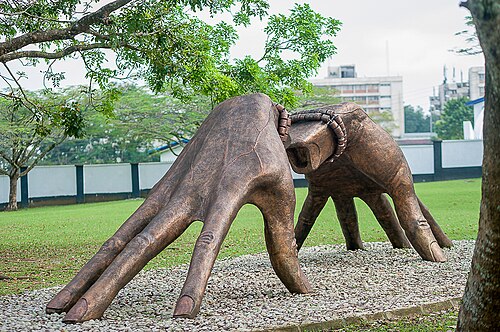
Calabar, located in southeastern Nigeria, serves as the capital of Cross River State and is one of the oldest cities in the country. Known historically as a major trading port and a center for the transatlantic slave trade, Calabar has undergone significant transformations over the years. It was once a significant outpost for British colonial administrators and has retained much of its colonial architectural influence, evidenced by many historical buildings and structures. Calabar's geographical positioning along the Calabar River and proximity to the Atlantic Ocean facilitated its early growth, making it an important hub for trade and commerce.
Today, Calabar is renowned for its rich cultural heritage and vibrant festivals, most notably the Calabar Carnival, which takes place annually in December. Attracting both national and international tourists, this event is renowned for its colorful parades, musical performances, and showcasing of local cuisine. The city is also celebrated for its contributions to Nigeria's artistic scene, with numerous theaters and art galleries promoting local artists. Calabar's cuisine reflects its diverse cultural influences, characterized by unique dishes like Afang soup and Edikang Ikong, which are popular among locals and visitors alike.
Tourism remains a significant aspect of Calabar's economy, with landmarks such as the Slave History Museum, the Calabar Botanical Garden, and the nearby Obudu Mountain Resort drawing visitors year-round. Additionally, the city serves as a gateway to several natural attractions, including the Cross River National Park, home to diverse wildlife and nature trails. The combination of its historical significance, cultural vibrancy, and natural beauty positions Calabar as a notable destination in Nigeria, representing both the challenges and triumphs of the region's past, while embracing modernity and sustainable tourism.
Facts about Calabar
- Calabar is known as the 'Cultural Capital of Nigeria' due to its rich traditions and vibrant festivals.
- The city was the capital of Nigeria during British colonial rule from 1884 to 1906, before it was moved to Lagos.
- Calabar hosts the annual Calabar Carnival, which is one of the largest street carnivals in Africa, celebrated every December.
- The city is famous for its historical significance as a major port for the transatlantic slave trade, making it a poignant site in Nigerian history.
- Calabar is home to the famous Slave History Museum, which educates visitors about the impact of the slave trade in the region.
- The Calabar River, which runs through the city, is one of the most significant rivers in Nigeria, serving as a vital transportation route.
- Calabar is known for its food culture, with popular local dishes such as Edikang Ikong and Afang Soup, attracting visitors and food enthusiasts.
- The city harbors several colonial-era buildings, including the Calabar Old Residency, which reflects its historical architecture and significance.
- Calabar is the birthplace of notable figures such as Mary Slessor, a Scottish missionary who played a significant role in promoting education and healthcare in Nigeria.
- The city is surrounded by lush mangroves and is a biodiversity hotspot, making it a unique ecological destination within Nigeria.