Calahorra, Spain
- 24,787 people
- 8 places to visit
- 42.3074, -1.9673
Places to Visit (8)
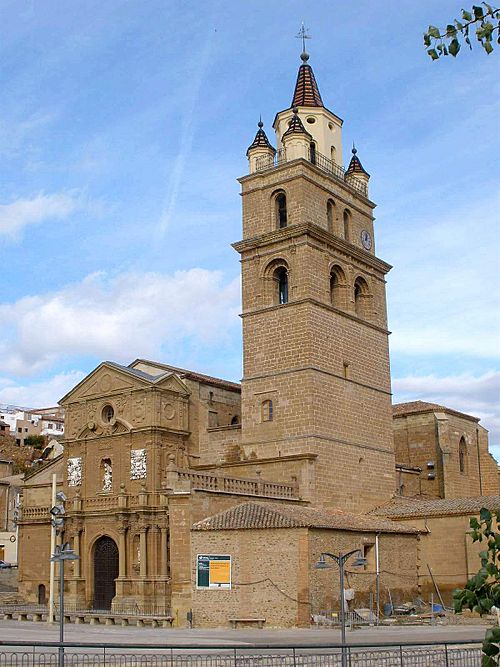
Calahorra is a historic city located in the autonomous community of La Rioja, Spain. Situated at the confluence of the rivers Cidacos and Quel, Calahorra lies approximately 50 kilometers southeast of Logroño, the regional capital. With a population of around 20,000 inhabitants, the city is notable for its rich cultural heritage and strategic location along the Camino de Santiago pilgrimage route. The history of Calahorra dates back to Roman times, when it was known as Calagurris, and served as an important settlement in the region. The remnants of this Roman past can still be seen today, with significant archaeological sites, including a Roman theater and various ruins that attract both researchers and tourists.
The city's historical significance is further highlighted by its impressive architectural landmarks, such as the Cathedral of Calahorra, a beautiful mix of Gothic and Baroque styles, which features a stunning altarpiece and an intricately designed bell tower. In addition to the cathedral, visitors can explore the preserved ancient walls of Calahorra, which date back to the 11th century, as well as various churches, palaces, and public squares that reflect the city’s medieval character. The cultural tapestry of Calahorra is enriched by its thriving gastronomy, showcasing local products such as asparagus, peppers, and wines from the nearby Rioja wine region. Annual celebrations and festivals, including the lively Easter processions and the Feria de Calahorra, further emphasize the city's vibrant cultural life and traditions.
Calahorra is also an important economic center within La Rioja, with agriculture and agribusiness as key contributors to its local economy. As part of the fertile Ebro Valley, the region benefits from a favorable climate that supports the cultivation of a variety of fruits and vegetables. In recent years, Calahorra has focused on promoting local produce and enhancing tourism opportunities, taking advantage of its historical significance and natural beauty. With its combination of rich history, architectural wonders, and culinary delights, Calahorra stands out as a charming destination for both history enthusiasts and travelers seeking to experience the cultural essence of Spain.
Facts about Calahorra
- Calahorra is known for its extensive Roman history, including the remains of a Roman aqueduct and the ancient city walls that date back to the 1st century AD.
- The city is home to the Cathedral of San Andrés, a prominent example of Gothic architecture that was built atop a former mosque, showcasing the city's historical religious transitions.
- Calahorra is recognized for its contribution to the production of a unique type of red pepper, known as 'pimiento de Calahorra,' which has been granted a Protected Designation of Origin (DOP).
- The city's annual Festival of San Emeterio y San Celedonio celebrates its local patron saints with traditional processions and cultural events, highlighting the region's rich folklore.
- The Calagurris Roman Theater ruins demonstrate the city's importance in Roman times, being one of the most significant archaeological sites in the region.
- Calahorra played a strategic role during the Reconquista, serving as a significant battleground and a defensive stronghold against invading forces.
- The nearby Ebro River not only provides scenic beauty but also plays a vital role in agriculture, contributing to Calahorra's status as a key producer of fruits and vegetables in Spain.
- The city contains a vibrant marketplace where local artisans and farmers offer a diverse range of products, celebrating its agricultural heritage and community spirit.
- Calahorra's location at the meeting point of La Rioja, Navarre, and Aragon makes it a cultural crossroads with influences from various regions that shape its culinary and architectural styles.
- The Patios de Calahorra event showcases the city's commitment to preserving its cultural identity by turning private patios into public displays of beauty and creativity each spring.