Calatayud, Spain
- 21,933 people
- 5 places to visit
- 41.3532, -1.6468
Places to Visit (5)
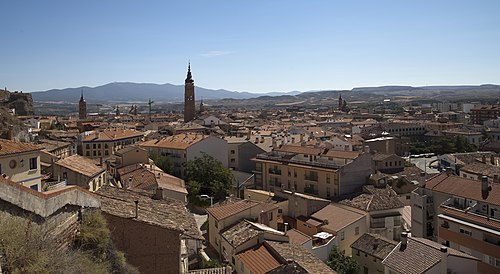
Calatayud is a historic municipality located in the province of Zaragoza, within the autonomous community of Aragon, Spain. Nestled in a valley along the Jalon River, it is approximately 86 kilometers northwest of Zaragoza, the provincial capital. Known for its rich cultural heritage, Calatayud has roots dating back to the Iberian period and later became a notable Roman settlement known as Bilbilis, which is celebrated as the birthplace of the distinguished Roman poet Marco Valerio Marcial. The town's strategic location made it a crossroads for various civilizations, including the Moors, who significantly influenced its architecture and urban layout during their occupation.
Visitors to Calatayud can explore a variety of historical landmarks, including the impressive Castillo de Ayud, a medieval fortress that offers panoramic views of the surrounding landscape. The city's intricate network of narrow streets and traditional buildings showcases a blend of Mudejar and Gothic architectural styles, reflecting its diverse historical influences. Notable sites include the Colegiata del Santo Sepulcro, a stunning church originally founded in the 12th century, and the numerous Mudejar-style towers, such as those of San Pedro de los Francos and San Andrés, which are recognized as UNESCO World Heritage sites.
Calatayud also hosts cultural events and festivals that highlight local traditions. One of the most significant festivities is the celebration of San Jorge in April, which features processions and various cultural activities, drawing locals and visitors alike. The city is also known for its gastronomic offerings, including local specialties such as ternasco (young lamb) and pestiños (fried pastries), which contribute to its vibrant culinary scene. With its historical significance, architectural beauty, and rich cultural life, Calatayud is a captivating destination for those interested in exploring the diverse heritage of Spain.
Facts about Calatayud
- Calatayud is known for its unique Mudéjar architecture, a style that combines Islamic and Christian elements, with several examples like the Church of San Pedro de los Francos.
- The city has a rich history dating back to Roman times, when it was known as Bilbilis, a significant settlement during the Roman Empire and the birthplace of the poet Marcial.
- Calatayud hosts the annual Fiestas de la Dolores, a vibrant festival celebrated in September that features traditional music, dance, and a grand procession in honor of the town's patron saint.
- The town is famous for its 'Calatayud' wines, a Denomination of Origin (D.O.) area that produces high-quality wines, particularly red varietals made from Garnacha grapes.
- One of Calatayud's notable landmarks is the Castillo de Ayub, a medieval castle with stunning views of the surrounding countryside, reflecting the city's historical significance as a defensive stronghold.
- The city is also home to an impressive ancient Jewish quarter, showcasing its historical multicultural heritage and providing insight into its diverse past.
- Calatayud features a unique geological formation known as the 'Dinosaur Route,' where fossils and tracks from the Cretaceous period have been discovered, attracting paleontology enthusiasts.
- The beautiful Basilica de Nuestra Señora de la Rock is another striking feature of Calatayud, known for its remarkable baroque architecture and hosting important religious events.
- Calatayud has a railway connection that was pivotal in its development during the 19th century, making it an important transport hub in the region and contributing to local commerce.
- The town's gastronomy is distinct, with traditional dishes like 'ternasco' (roast lamb) being a culinary highlight, often served during local festivities and special occasions.