Cali, Colombia
- 2,392,877 people
- 7 places to visit
- 3.4516, -76.532
Places to Visit (7)
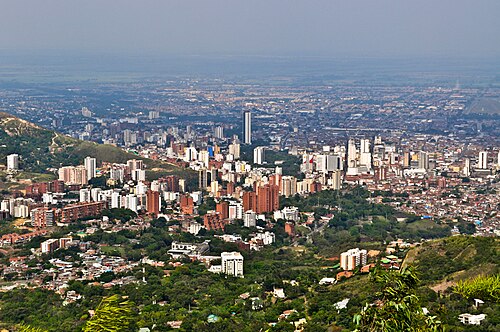
Cali, officially known as Santiago de Cali, is the capital of the Valle del Cauca department in Colombia. Founded in 1536 by the Spanish conquistador Sebastián de Belalcázar, Cali is situated in the Pacific lowlands of Colombia, nestled in the Cauca River Valley, approximately 100 kilometers from the Pacific coast. With a population of over 2.5 million people, it is the third-largest city in Colombia, after Bogotá and Medellín. The city's vibrant cultural scene is heavily influenced by African, indigenous, and Spanish heritages, which combined to create a unique identity that is celebrated through its music, dance, and festivals. Cali is often referred to as the "Salsa Capital" due to its deep association with salsa music and dance, featuring numerous festivals that attract dancers and musicians from around the globe.
The economy of Cali is diverse and dynamic, with strong sectors in manufacturing, commerce, and agriculture. The city has become a significant industrial and commercial center in Colombia, boasting a strategic location that facilitates trade. Notably, Cali's surrounding region is known for sugarcane production, and the city itself is home to various sugar mills. As the economic hub of Valle del Cauca, Cali also emphasizes innovation and technology, leading to the establishment of several universities and research institutions that contribute to the local economy. Additionally, Cali is undergoing a wave of urban development projects aimed at improving infrastructure and public services, making it an increasingly appealing destination for both business and tourism.
Cali offers numerous attractions that highlight its cultural richness and natural beauty. The city features a mix of colonial architecture and modern urban design, with landmarks such as the historic San Antonio neighborhood, the ornate Catedral de San Pedro, and the impressive Cristo Rey statue overlooking the city. Outdoor enthusiasts can explore the surrounding natural parks, such as Farallones National Natural Park, which offers hiking trails and diverse wildlife. The pace of life in Cali is much slower compared to Colombia's larger cities, and the warm climate, friendly locals, and lively atmosphere make it an inviting destination. Additionally, annual events like the Feria de Cali, a renowned salsa festival held in late December, exemplify the city's spirit, drawing thousands of visitors for music, dance, and cultural celebration. Overall, Cali is a city characterized by its rich heritage, vibrant culture, and economic vitality, making it an important part of Colombia's national identity.
Facts about Cali
- Cali is known as the 'Salsa Capital of the World' and hosts the annual Feria de Cali, a major festival celebrating salsa music and dance.
- The city has a unique geographical layout, with the entire city located in a valley surrounded by mountains, offering stunning views and a mild climate.
- Cali is home to the historic San Antonio neighborhood, known for its colonial architecture, vibrant street art, and cultural significance.
- The city is the third-largest urban area in Colombia, after Bogotá and Medellín, making it a significant economic and cultural hub.
- Cali boasts the largest sugarcane industry in Colombia, contributing greatly to the local economy and the country's overall sugar production.
- The iconic Cristo Rey statue, located on a hill overlooking the city, is one of Cali's most recognized landmarks and offers panoramic views.
- Cali has a diverse cultural mix, influenced by its Afro-Colombian population, leading to a rich blend of traditions, music, and culinary offerings.
- The city is a major center for sports in Colombia, frequently hosting international sporting events and known for its success in disciplines like cycling and athletics.
- Cali's River Cali features an extensive riverfront park system, which promotes outdoor activities and provides a recreational space for residents and visitors.
- Cali is renowned for its gastronomy, particularly its famous 'sancocho' (a traditional soup) and 'empanadas,' reflecting local flavors and culinary traditions.