Caloocan City, Philippines
- 1,500,000 people
- 14 places to visit
- 14.6495, 120.9679
Places to Visit (14)
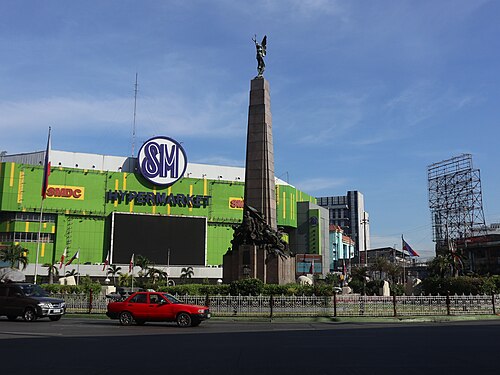
Caloocan City, one of the key urban centers in the Philippines, is located in the northern part of Metro Manila. It is bordered by Quezon City to the south, Malabon to the west, and Valenzuela and Navotas to the north. With a land area of approximately 54.77 square kilometers, Caloocan is known for its significant population, which ranks it among the most populous cities in the country. Its rapid urbanization has transformed it from a primarily residential area into a bustling metropolis, hosting various commercial and industrial zones that contribute to the local economy. The city is divided into two congressional districts and is further subdivided into several barangays, showcasing a diverse demographic that reflects a blend of cultural influences.
Caloocan has a rich historical background, dating back to the Spanish colonial period. The city played a crucial role during the Philippine Revolution, with key events taking place within its boundaries. Modern-day Caloocan is characterized by numerous schools, hospitals, shopping malls, and parks, enhancing the quality of life for its residents. Notable landmarks include the National Shrine of Our Lady of Grace, which attracts both devotees and tourists, as well as the sprawling Caloocan City Sports Complex. Public transportation is well-established, with jeepneys, buses, and the Metro Rail Transit (MRT) providing connectivity to other parts of Metro Manila. Despite facing challenges typical of urban areas, such as traffic congestion and the need for improved infrastructure, Caloocan City continues to thrive and develop, making it a key player in the national landscape.
Facts about Caloocan City
- Caloocan City is home to the historic site of the Battle of San Juan del Monte, an important event during the Philippine-American War in 1899.
- The city is known for its landmark, the Bonifacio Monument, which honors Andres Bonifacio, a national hero and founder of the Katipunan.
- Caloocan City was officially founded on May 21, 1901, and has since evolved into one of the largest cities in the Philippines by population.
- It is divided into two districts: North Caloocan and South Caloocan, making it one of the few cities in Metro Manila with such a division.
- The city is known for its vibrant local markets, particularly the Nepa Q-Mart, which is a hub for wholesale goods and fresh produce.
- Caloocan City is the site of the largest residential development in the Philippines, the Dela Rosa Community, aimed at providing homes to low-income residents.
- It hosts the Philippine National Police (PNP) headquarters, making it an important location for law enforcement in the country.
- The city has a significant historical milestone with the establishment of the first public school in the area, known as the Caloocan Elementary School, in 1902.
- Caloocan City is known for its extensive network of transportation, including the LRT Line 1 extension that connects it to other parts of Metro Manila.
- The city celebrates the annual Caloocan City Fiesta, showcasing local culture, food, and heritage, distinct from other regional festivals in the country.