Calp, Spain
- 23,326 people
- 8 places to visit
- 38.6436, 0.0457
Places to Visit (8)
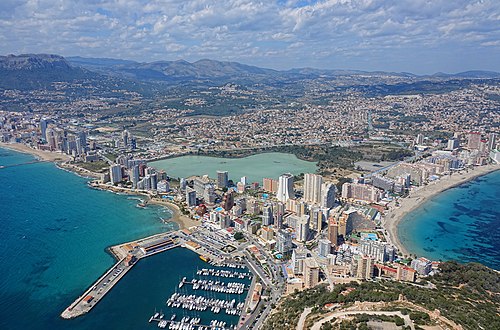
Calp, a charming coastal town located in the province of Alicante, Spain, is part of the autonomous community of Valencia. Nestled along the Costa Blanca, Calp is known for its stunning beaches, picturesque landscapes, and rich cultural heritage. The town is approximately 64 kilometers northeast of Alicante and is easily accessible via the AP-7 motorway. Calp boasts a Mediterranean climate, characterized by mild winters and hot summers, making it a popular destination for tourists year-round. The iconic Peñón de Ifach, a towering limestone rock formation that rises 332 meters above sea level, serves as a natural landmark and is a protected Nature Park, attracting hikers and nature enthusiasts alike.
Historically, Calp has deep roots, with archaeological findings suggesting settlement by the Iberians and Romans in ancient times. The town's name is believed to derive from the Latin "Calpe," which referred to the nearby rock. Today, Calp retains its historical essence with well-preserved buildings and sites, such as the Church of Nuestra Señora de la Soledad, which showcases the neoclassical style. The local economy is primarily driven by tourism, with numerous hotels, restaurants, and shops catering to visitors. In addition to its beaches, such as Playa de La Fossa and Playa del Arenal-Bol, Calp offers a variety of recreational activities like water sports, golf, and hiking, making it an appealing destination for families and adventure seekers.
Culturally, Calp hosts several festivities throughout the year that highlight its rich traditions, including the Moors and Christians festival in October and the Feast of Our Lady of the Solitude in September. Culinary offerings in Calp reflect the region's heritage, featuring seafood dishes and local specialties like "puchero," a traditional stew. The town's unique blend of natural beauty, historical significance, and vibrant community life makes Calp an attractive place to visit or reside, exemplifying the allure of Spain’s Costa Blanca.
Facts about Calp
- Calp is home to the iconic Peñón de Ifach, a massive limestone rock that rises 332 meters above the Mediterranean Sea and is a natural park and a symbol of the region.
- The town has a rich history dating back to Roman times, with archaeological sites such as the Roman ruins of the 'Baelo Claudia' located nearby.
- Calp is known for its beautiful beaches, including La Fossa and Arenal-Bol, which have received Blue Flag status for their cleanliness and facilities.
- Every year, Calp hosts the 'Festa de les Creus' in May, where locals create elaborate crosses decorated with flowers to celebrate the festival of the Holy Cross.
- The town features a unique blend of traditional Mediterranean architecture and modern developments, particularly in its charming old town where narrow streets meet vibrant plazas.
- Calp has a thriving gastronomic scene, famous for its seafood, particularly dishes featuring local delicacies like 'calamars a la romana' (fried squid) and 'pulpo a la gallega' (Galician-style octopus).
- The annual 'Calp Jazz Festival' draws international artists and jazz enthusiasts, making it a significant event in the cultural calendar of the Costa Blanca.
- Calp's Mediterranean climate contributes to its status as a favored destination for outdoor activities such as hiking, sailing, and diving, particularly around the Ifach Natural Park.
- The town's local economy heavily relies on tourism, but it also has a vibrant agricultural sector, known for producing oranges and other citrus fruits.
- Calp has gained recognition for its sustainable tourism efforts, promoting eco-friendly practices and conservation of its natural resources.