Calpulalpan, Mexico
- 33,263 people
- 11 places to visit
- 19.585, -98.5644
Places to Visit (11)
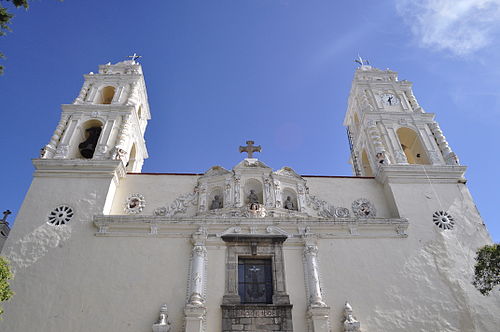
Calpulalpan is a small town located in the Tlaxcala state of Mexico, known for its rich history, cultural significance, and strategic location. Positioned approximately 40 kilometers east of Mexico City and around 30 kilometers from Tlaxcala City, Calpulalpan acts as a vital intersection between diverse regions of Mexico. The town sits at an elevation of about 2,560 meters and is characterized by its temperate climate, making it a pleasant location for both residents and visitors. It is easily accessible by road, enhancing its connection to neighboring cities and regions.
Historically, Calpulalpan played an essential role during the Mexican Revolution and was significant during the colonial period due to its geographic position. The name "Calpulalpan" is derived from the Nahuatl language, translating to "place of the calpulli," which refers to a community or clan. The area showcases numerous cultural elements, from picturesque colonial architecture to traditional festivals. Agriculture remains a cornerstone of the local economy, with traditional practices sustaining the community. Residents primarily grow maize, beans, and other crops prevalent in the region, complemented by small-scale livestock farming.
In terms of cultural heritage, Calpulalpan hosts various local festivities that reflect its indigenous roots and Spanish influences. The town's annual celebrations often feature traditional music, dance, and cuisine, drawing in visitors and promoting local artisans. The surrounding landscape is also notable for its natural beauty, with opportunities for outdoor activities such as hiking and exploring local flora and fauna. As an emblem of regional history and culture, Calpulalpan continues to thrive, preserving its traditions while gradually evolving within the modern context of Mexico.
Facts about Calpulalpan
- Calpulalpan is known for its unique history as a significant location during the Mexican War of Independence, where it served as a strategic point for various revolutionary leaders.
- The town is home to the historic Church of San Juan Bautista, which showcases a blend of colonial and indigenous architectural styles, making it a notable landmark.
- Calpulalpan hosts an annual celebration of the Day of the Dead (Día de los Muertos) with traditional altars and parades, reflecting deep cultural roots and community engagement.
- The region around Calpulalpan is rich in agricultural activity, particularly in the cultivation of maize and other traditional crops, distinguishing it as an agricultural center in the state of Tlaxcala.
- Calpulalpan's geographical location makes it a hub for transportation, serving as a convergence point for several important highways in Mexico.
- The town has a notable pre-Hispanic heritage, with nearby archaeological sites that reflect the presence of ancient civilizations prior to Spanish colonization.
- Calpulalpan is recognized for its local crafts, including textiles and pottery, which represent the artistic traditions of the Tlaxcalan people.
- The city has hosted various cultural festivals that showcase traditional music, dance, and gastronomy, promoting regional culture and attracting tourism.
- Calpulalpan's surrounding natural landscapes, including mountains and forests, offer unique opportunities for eco-tourism, differentiating it from more urbanized areas.
- The town is associated with various folk legends and historical anecdotes that contribute to its unique cultural identity within Mexico.