Camagüey, Cuba
- 347,562 people
- 7 places to visit
- 21.3926, -77.9053
Places to Visit (7)
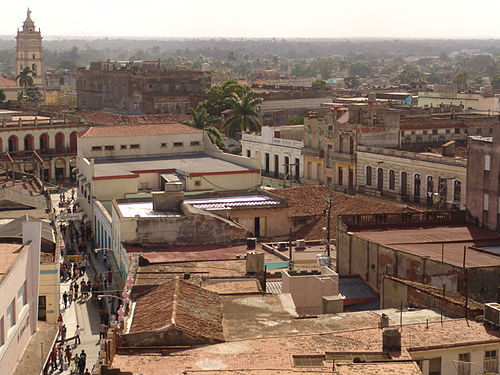
Camagüey, the capital of the Camagüey province in central Cuba, is known for its rich history and distinctive urban layout. Founded in 1514 by Spanish colonists under the name Santa María del Puerto del Príncipe, the city was relocated several times due to attacks by pirates. Its final settlement in the early 18th century led to the design of its unique, labyrinthine streets, which were intended as a defensive measure against invaders. The city was officially named Camagüey in 1931, echoing its Indigenous roots, and it has since evolved into a vibrant center of commerce, culture, and education.
Recognized as a UNESCO World Heritage Site, the historic center of Camagüey features a blend of colonial architecture, plazas, and churches that reflect its diverse cultural influences. Significant landmarks include the Iglesia de Nuestra Señora de la Merced and the Plaza de los Trabajadores, alongside various art studios and galleries that underscore the city’s commitment to the arts. Camagüey is also renowned for its traditional Cuban music and dance, with numerous festivals celebrating regional folklore. The city plays a crucial role in Cuba's agriculture, producing a variety of crops and livestock, and serves as an important hub for the surrounding rural communities, thus contributing to the local and national economy.
Today, Camagüey continues to thrive, balancing modern development with the preservation of its historical heritage. The city is a popular destination for both domestic and international tourists, attracted by its cultural richness and charm. With a population of around 300,000, it is one of Cuba's largest cities and a key player in the nation’s economic landscape. Its educational institutions, including the University of Camagüey, enhance its appeal as a center for learning. As the city moves forward, it strives to maintain its unique identity while adapting to the challenges of the 21st century, ensuring that Camagüey remains a vibrant part of Cuba's cultural mosaic.
Facts about Camagüey
- Camagüey is one of the largest cities in Cuba, notable for its unique layout of narrow, winding streets designed to confuse pirates during the colonial era.
- The city is home to the Guayabera, a traditional Cuban shirt, often associated with its origins stemming from the region.
- Camagüey is recognized for its large number of tinajones, traditional clay water jars, which are a symbol of the city and can be found throughout the area.
- The city is also known for its vibrant cultural scene, hosting the annual Camagüey Festival of Theatre, which celebrates local and international productions.
- Camagüey has a rich artistic heritage, being the birthplace of several famous Cuban artists and boasting numerous galleries, especially in the historic center, a UNESCO World Heritage Site.
- The architecture in Camagüey is distinctive, featuring a mix of Baroque, neo-classical, and modern styles, reflecting the city’s diverse history.
- Camagüey is famed for its unique plazas, particularly Plaza del Carmen, which serves as a cultural hub and is surrounded by colorful buildings.
- The city played a crucial role in the Cuban War of Independence, and it is home to the Casa Natal de Ignacio Agramonte, a museum dedicated to the revolutionary leader.
- Camagüey is also significant for its agricultural contributions, particularly in sugarcane, and is an important region for Cuba's agro-industrial sector.
- The city has a strong tradition of music and dance, showcasing various genres, including son cubano and trova, and is often celebrated for its local music festivals.