Cambrai, France
- 36,492 people
- 9 places to visit
- 50.1735, 3.2366
Places to Visit (9)
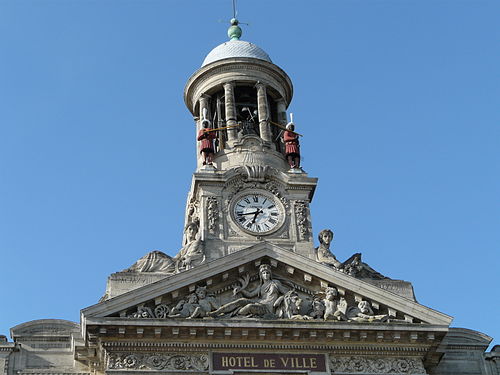
Cambrai is a city located in the northern part of France, within the Hauts-de-France region. It lies approximately 40 kilometers south of Lille and 15 kilometers east of Arras. Historically significant, Cambrai has been a site of various cultural and military events over the centuries, making it a notable location in French history. The city is situated near the banks of the Scheldt River, which historically enabled it to prosper as a center of trade and commerce. With a population of around 30,000, Cambrai is characterized by its rich heritage and historical architecture, including remnants from its time as a stronghold during the medieval period.
The city is particularly famous for its significance in the textile industry, especially lace-making, which gained prominence in the 17th century. Cambrai is also known for its unique architectural landmarks, including the Saint-Géry Cathedral, a striking example of Gothic architecture renowned for its impressive bell tower, and the Bâtiment des Commandements, which reflects the city’s military history. On a cultural note, Cambrai is celebrated for its culinary specialties, such as the local Cambrésien cake, a sweet treat that plays a crucial part in the city’s gastronomic tradition. Furthermore, the city hosts various events and festivals throughout the year, which highlight its cultural vibrancy and community spirit.
Cambrai's strategic importance has also marked it as a significant battlefield during both World Wars, particularly in the First World War when it was the site of intense fighting and military operations. Today, the city is not only a testament to historical events but also a hub of contemporary life, blending its rich past with modern developments. Cambrai serves as a reminder of France's intricate history, characterized by its resilience and transformation, making it an intriguing destination for visitors interested in exploring the depths of French culture and heritage.
Facts about Cambrai
- Cambrai is historically known for its production of a delicate lace called 'Civray lace', which became famous throughout Europe.
- The city played a significant role during World War I and is known for the Battle of Cambrai in 1917, which was notable for its use of tanks in warfare.
- Cambrai is home to the 11th-century Saint-Géry Cathedral, an impressive example of Romanesque architecture that has been recognized as a historical monument.
- The city's historical significance includes being the site of the Peace of Cambrai in 1529, which ended the war between France and Spain.
- Cambrai features the remarkable 'Canal de la Sensee', which was part of the original construction plan by Vauban and showcases historic engineering.
- The city's annual carnival, known as 'Carnaval de Cambrai', is one of the most vibrant in northern France, featuring colorful parades and local traditions.
- Cambrai was also the site where the famous 'Pink Caramel' sweets were created, a traditional candy that has become synonymous with the city.
- The city’s location at the confluence of several rivers makes it an important logistical center, historically providing key trade routes since ancient times.
- Cambrai boasts an impressive botanical garden, 'Jardin de la Préfecture', that features various plant species and serves as a peaceful retreat in the city.
- The city is noted for its unique urban layout, which includes a blend of medieval and modern architecture, setting it apart from other cities in France.