Camp Springs MD, United States
- 19,096 people
- 11 places to visit
- 38.804, -76.9066
Places to Visit (11)
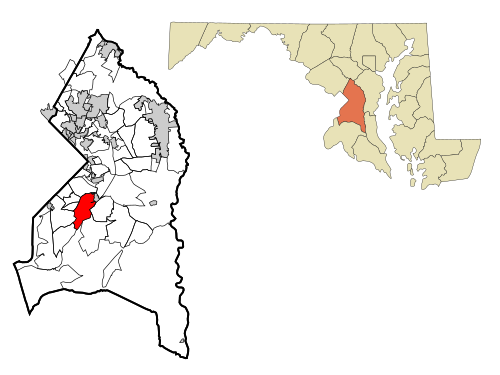
Camp Springs, Maryland, is a suburban community located in Prince George's County, approximately 10 miles southeast of Washington, D.C. Known for its residential charm and proximity to the nation’s capital, Camp Springs has experienced various phases of development since its establishment in the early 20th century. The area was originally named after a mineral spring that was discovered in the late 1800s, which helped attract visitors and potential residents alike. Today, Camp Springs is primarily a residential area with a diverse population and a range of amenities, making it a desirable location for families and professionals commuting to Washington, D.C.
The city’s history is intertwined with significant economic and social changes. Initially, it served as a retreat for urban dwellers seeking respite from the city, but over time it evolved into a suburban community. The construction of major transportation routes, including the Capital Beltway (Interstate 495), facilitated its growth, transforming Camp Springs into a bustling suburb. Today, the area showcases a blend of housing options, from single-family homes to townhouses, and offers various services, including shopping centers, parks, and recreational facilities. Major landmarks such as the Andrew Jackson Army Base and the Joint Base Andrews, which is located just nearby, contribute to the community's vibrancy and provide important employment opportunities.
Camp Springs also prides itself on its cultural diversity, as the community includes residents from numerous ethnic backgrounds. This diversity enhances the local culture, reflected in various community events, dining options, and local businesses. The community engages in efforts to maintain a safe and welcoming atmosphere, with active neighborhood associations and local government initiatives aimed at improving the quality of life for residents. As a suburban enclave with a rich history, Camp Springs continues to attract individuals and families looking for convenient access to the capital while enjoying a distinct community identity.
Facts about Camp Springs
- Camp Springs, MD is home to the Andrews Air Force Base, known for being the primary base for Air Force One, the aircraft that transports the President of the United States.
- The community has a rich Civil War history, as it served as a camp for Union soldiers during conflicts.
- The Suitland Parkway, a significant roadway linking the District of Columbia and Prince George's County, starts in Camp Springs, playing a critical role in regional transportation.
- Camp Springs is located within Prince George's County, which is known for its high concentration of African American residents, contributing to its vibrant cultural and community life.
- The town is situated near the National Harbor, a commercial development on the Potomac River, making it a prime location for tourism and shopping.
- Camp Springs is part of the Washington Metropolitan Area, offering residents easy access to the nation's capital and its many cultural, historical, and political landmarks.
- The area is known for its diverse population, which reflects a variety of ethnic backgrounds and cultural traditions, enhancing its community events and festivals.
- Camp Springs was primarily a rural area until the mid-20th century when suburban development increased, showcasing the transition from agriculture to residential living.
- The town's proximity to major highways like Route 5 and the Capital Beltway (I-495) provides excellent connectivity to neighboring regions, including Virginia and Washington, D.C.
- Camp Springs hosts the Camp Springs Community Center, which offers recreational programs and serves as a gathering place for local residents, promoting community engagement.