Campeche, Mexico
- 220,389 people
- 15 places to visit
- 19.8301, -90.5349
Places to Visit (15)
Campeche is a historic city located on the western coast of the Yucatán Peninsula in Mexico. It serves as the capital of the state of Campeche and boasts a rich cultural heritage influenced by its colonial past. Founded in 1540 as a fortified port due to its strategic location, Campeche played a vital role in maritime trade and defense against pirates. The city's historic center is well-preserved and was designated a UNESCO World Heritage Site in 1999, recognized for its impressive colonial architecture and its remarkable defensive walls, which were built in the 17th and 18th centuries to protect against invasion.
The city's layout features cobblestone streets lined with colorful colonial buildings, reflecting a blend of Spanish and indigenous cultures. Among its notable landmarks is the Cathedral of Campeche, a stunning example of baroque architecture. The city is also home to several museums, including the Museo de la Ciudad and the Museo Arqueológico, which showcase artifacts from the region’s Mayan heritage. Campeche's vibrant culture is celebrated through festivals such as the Carnival of Campeche, which draws visitors from across the country with its lively parades and traditional music. Additionally, the city's cuisine, characterized by seafood dishes like ceviche and traditional Yucatecan specialties such as pan de cazón, highlights the region's maritime abundance.
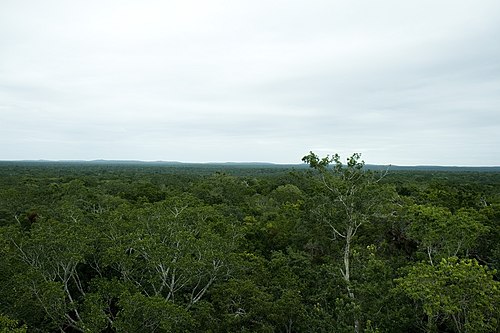
Tourism in Campeche has been steadily growing, drawing visitors interested in its historical significance and coastal charm. Beyond its cultural attractions, the surrounding area offers rich biodiversity, including natural reserves and archaeological sites like Edzná and Calakmul, the latter being one of the largest ancient Mayan cities. As a result, Campeche stands out as a unique blend of history, culture, and natural beauty, providing a gateway to experiencing the rich heritage of the Yucatán Peninsula.
Facts about Campeche
- Campeche is a UNESCO World Heritage Site, recognized for its well-preserved historic architecture and colonial fortifications.
- The city was once a major trading port during the Spanish colonial period and was targeted by pirates, which led to the construction of its impressive city walls.
- Campeche is known for its unique blend of Baroque architecture and colorful colonial buildings that reflect its rich history.
- The city celebrates the Festival Internacional del Centro Histórico every year, showcasing arts, culture, and history through various performances and exhibitions.
- Campeche is home to the famous 'Campechanas,' a traditional dish made of layered tortillas filled with a variety of meats and spices, showcasing the local culinary heritage.
- The city's historical center features the remarkable San Miguel Fort and Baluarte de San Carlos, both significant in defending against pirate attacks.
- Campeche was founded in 1540 and was initially named ‘Isla de la Guayaba’ before being changed to its current name, derived from a Mayan word meaning 'place of the snakes.'
- The city's architecture prominently features the use of 'boteh', a distinctive coconut palm and pitched roof design, which is unique to the region.
- Campeche's Carnival is one of the oldest and most colorful in Mexico, characterized by vibrant parades, music, and elaborate costumes, competing with those of other Mexican cities.
- The state of Campeche is known for its ecological diversity and is home to several national parks, including the Parque Nacional Laguna de Términos, which protects rich wetlands and wildlife.