Câmpia Turzii, Romania
- 26,457 people
- 9 places to visit
- 46.5587, 23.8707
Places to Visit (9)
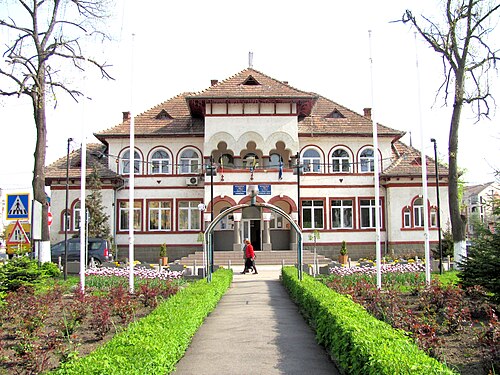
Câmpia Turzii is a city located in Cluj County, Romania, positioned along the Târnava Mică River. Known for its rich history and strategic location, Câmpia Turzii lies approximately 30 kilometers southeast of Cluj-Napoca, the administrative center of Cluj County. The city has evolved significantly over the years, growing from its origins as a small settlement into an industrial hub. The area was inhabited since ancient times, with evidence of Dacian and Roman presence, and it was mentioned in historical records during the Middle Ages. Throughout the 19th and 20th centuries, Câmpia Turzii developed industrially, primarily due to its favorable geographical setting which facilitated trade and commerce.
The economy of Câmpia Turzii has historically been centered around industry, particularly in the fields of manufacturing and chemical production. Key industries include the production of machinery, metalworking, and food processing, contributing significantly to the local economy. The city is also known for its educational institutions, which offer various vocational and technical training programs, thereby supporting the local workforce and enhancing employment opportunities. Câmpia Turzii is in proximity to significant roads and railways, making it accessible and important for trade within the region. Additionally, the surrounding natural landscape, including the nearby Apuseni Mountains, promotes tourism, offering residents and visitors opportunities for outdoor activities such as hiking and cycling.
Cultural life in Câmpia Turzii reflects a blend of influences owing to its diverse population, which includes Romanian, Hungarian, and Roma communities. This cultural diversity is celebrated in various local events and festivals featuring traditional music, dance, and gastronomy. The city is home to several historical and cultural landmarks, including the wooden church of St. Michael, which dates back to the 18th century. Despite the challenges of modern economic transitions, Câmpia Turzii maintains a strong sense of community and heritage, actively preserving its historical sites while adapting to contemporary needs. As the city continues to develop, it strives to balance industrial growth with a commitment to cultural preservation and environmental sustainability.
Facts about Câmpia Turzii
- Câmpia Turzii is known for its rich salt mining history, with the Turda Salt Mine, an ancient salt mine turned tourist attraction nearby, being one of the most visited sites in the country.
- The city is situated at the confluence of several historical trade routes, which contributed to its development as a commercial hub in Transylvania.
- Câmpia Turzii is home to the first and only statue of local hero Avram Iancu in the Cluj County, commemorating his role in the 1848 revolution.
- The city hosts the annual 'Câmpia Turzii International Jazz Festival', attracting jazz enthusiasts and musicians from across Romania and Europe.
- Câmpia Turzii has a unique geological feature known as the Turda Gorge, a popular spot for hiking and rock climbing, noted for its stunning scenery and diverse flora and fauna.
- The Câmpia Turzii Army Base is historically significant, having been an important site during both World Wars, and it continues to play a role in Romania's military training today.
- The city boasts a diverse cultural heritage, with influences from various ethnic groups, including Romanian, Hungarian, and German, reflected in its architecture and local traditions.
- Câmpia Turzii has a significant automotive industry presence, with manufacturing plants that contribute to both local employment and the national economy.
- The city features a local folklore festival that celebrates traditional Romanian customs, crafts, and music, enhancing community spirit and preserving regional heritage.
- Câmpia Turzii's proximity to Cluj-Napoca, one of the largest cities in Romania, offers residents easy access to urban amenities while maintaining a smaller town atmosphere.