Campina Grande, Brazil
- 348,936 people
- 15 places to visit
- -7.2206, -35.8888
Places to Visit (15)
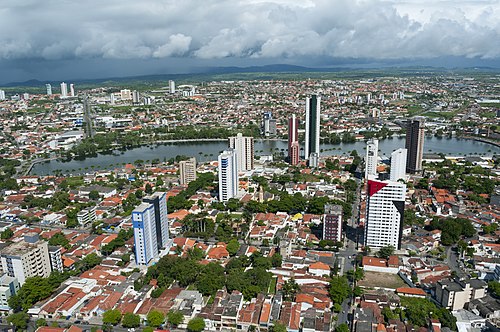
Campina Grande is a city located in the state of Paraíba, Brazil, known for its vibrant culture, significant history, and economic importance in the northeastern region of the country. Founded on October 11, 1864, it has grown to become the second largest city in Paraíba, with a population of over 400,000 residents. The city is strategically positioned within the Brazilian highlands, about 130 kilometers from the state capital, João Pessoa, and is often referred to as the "Capital of the Agreste" due to its geographical and economic attributes. Campina Grande serves as a focal point for commerce, education, and healthcare in the region, housing several universities and educational institutions which attract students from various parts of Brazil.
The city hosts one of the largest and most famous festivals in Brazil, the São João Festival, which celebrates the feast of St. John and takes place annually during June. This event draws thousands of visitors and tourists, featuring traditional music, dance, and elaborate decorations, encapsulating the rich folklore of the Northeastern region. Beyond its cultural festivities, Campina Grande is recognized for its historical significance, with numerous colonial-era buildings and monuments that reflect its rich past. The economy of the city is diverse, with key sectors including agriculture, commerce, and technology. It is particularly known for its role in the "silicon of the Northeast," focusing on innovation and technology development, making it a hub for startups and tech companies. The blend of tradition and modernity in Campina Grande highlights its importance as a cultural and economic center in Brazil's Northeast.
Facts about Campina Grande
- Campina Grande is known as the 'City of St. John' due to its famous annual Festa Junina, one of the largest traditional celebrations in Brazil, attracting millions of visitors each June.
- The city is home to the 'Maior São João do Mundo' (The Largest St. John's Festival in the World), which features folk music, traditional foods, and various cultural presentations.
- Campina Grande is a prominent hub for the Brazilian technology scene, hosting the 'Porto Digital' and several tech startups, making it a center for innovation in the Northeast region.
- It plays a significant role in the history of Brazilian aviation, being the birthplace of Alberto Santos-Dumont, the aviation pioneer born in the nearby town of Palmira.
- The city's Agricultural Fair is one of the largest in Brazil, showcasing local goods, crafts, and agricultural advancements, and it attracts farmers and visitors from all over the country.
- Campina Grande features a unique cultural blend of indigenous, African, and European influences, evident in its music, dance, and culinary traditions.
- The Parque do Povo is a prominent landmark in the city, serving as the main venue for various festivals, and it is recognized for its vibrant atmosphere and community events.
- The city is known for its high altitude, making it one of the cooler locations in the Northeast, with a climate that is relatively mild compared to many other cities in the region.
- Campina Grande also boasts an impressive number of higher education institutions, particularly in engineering and technology, attracting students from across Brazil.
- The city is home to several historical landmarks, including churches and colonial architecture, reflecting its rich history and vibrant culture.