Câmpina, Romania
- 41,554 people
- 8 places to visit
- 45.137, 25.7422
Places to Visit (8)
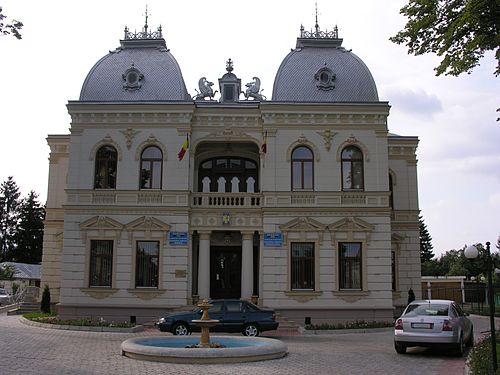
Câmpina is a picturesque town located in the Prahova County of Romania, nestled within the scenic Carpathian foothills. With a population of approximately 30,000 residents, Câmpina has evolved from a small village into a vibrant urban center, boasting a rich history and cultural heritage. The town's origins can be traced back to the 14th century, and over the centuries, it has developed into an important hub for commerce and industry, particularly during the 19th century when it became famous for its oil production. The surrounding region is known for its natural resources, and Câmpina's strategic location along the main road connecting Brașov and Ploiești has further aided its economic development.
Câmpina is home to several notable historical and cultural landmarks, including the iconic "Biserica Domnească," a beautiful Orthodox church built in the 19th century that showcases stunning architectural elements. Additionally, the local museum, the "Muzeul Culturii și Civilizației," offers visitors insight into the area's history, traditions, and the oil industry that once thrived there. The town is also known for its numerous festivals and events, celebrating local traditions, craftsmanship, and music. Câmpina’s picturesque landscape, combined with its quaint streets and welcoming community, makes it an attractive destination for both tourists and those seeking to explore Romania's rich cultural tapestry. The nearby Bucegi Mountains provide opportunities for outdoor activities such as hiking and skiing, further enhancing Câmpina's appeal as a charming retreat for nature lovers and adventurers.
Facts about Câmpina
- Câmpina is known for its significant oil industry history, being one of Romania's first oil drilling sites established in the 19th century.
- The city is home to the Câmpina Castle, also known as the Cantacuzino Castle, built in the early 20th century, which showcases Neo-Renaissance architecture.
- Câmpina celebrates the annual 'Festival of Oil,' highlighting its historical significance in the oil industry and promoting local traditions.
- The city has a unique memorial dedicated to the famous Romanian poet Mihai Eminescu, located in a picturesque park, making it a cultural landmark.
- Câmpina is renowned for its rich literary heritage, being home to several influential writers and poets, which has inspired local cultural events.
- It hosts the Câmpina Philharmonic, which is one of the few orchestras in smaller Romanian cities, providing cultural events and concerts.
- The city is located at the foothills of the Carpathian Mountains, offering scenic landscapes and opportunities for outdoor activities.
- Câmpina is known for its traditional crafts, including ceramics and woodwork, which are showcased in local markets and fairs.
- The city's architecture features a blend of various styles, including Neo-Gothic, Art Nouveau, and modernist influences, making it architecturally diverse.
- Câmpina has been involved in significant historical events, including the World War I contributions by its residents and the establishment of cultural institutions.