Campo Grande, Brazil
- 906,092 people
- 19 places to visit
- -20.4649, -54.6218
Places to Visit (19)
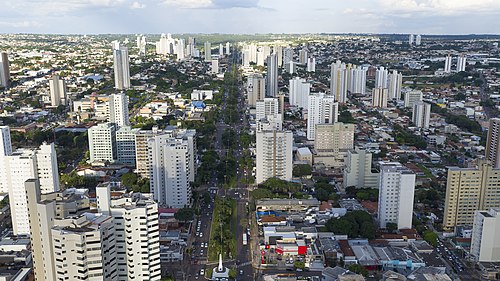
Campo Grande, the capital of the Brazilian state of Mato Grosso do Sul, is a prominent urban center located in the central region of Brazil. Founded in 1899, the city serves as an essential hub for commerce, agribusiness, and culture in the region. With a population exceeding 900,000 inhabitants, Campo Grande is one of the largest cities in the Midwest and plays a significant role in the economic and social fabric of the country. The city boasts a diverse economy, primarily driven by agriculture, livestock, and trade, taking advantage of its fertile lands and strategic location near the border with Paraguay and Bolivia. The local economy is further supported by industry and services, making it a vital connection point for trade routes in the region.
Campo Grande is characterized by a blend of urban amenities and natural beauty, featuring numerous parks and green spaces that enhance the quality of life for its residents. The city's landscape is dotted with several parks, including the popular Parque das Nações Indígenas, which highlights the area’s cultural heritage and provides recreational opportunities for families and individuals alike. The city celebrates various cultural events throughout the year, showcasing its rich history influenced by indigenous, European, and African cultures. These celebrations not only promote local traditions but also invite tourists and visitors to experience the unique cultural tapestry that Campo Grande has to offer. Furthermore, the city is strategically located near several ecotourism destinations, such as the Pantanal, one of the world's largest tropical wetlands, which provides ample opportunities for wildlife observation and adventure tourism, enriching its appeal as a travel destination.
With a hot and humid tropical climate, Campo Grande experiences distinct seasonal changes, including a rainy season from December to March. The city has been growing steadily over the years, reflected in urban development and infrastructure improvements. Despite its development, Campo Grande maintains a sense of community and local identity, with neighborhoods that reflect the city's multicultural background. As Campo Grande continues to develop, it remains a vibrant city that encapsulates the diversity and potential of Brazil’s Midwest region, making it an essential locale for both residents and visitors.
Facts about Campo Grande
- Campo Grande is known as the 'Capital of the Brazilian Central-West' and is the capital of the state of Mato Grosso do Sul.
- The city was officially founded on August 26, 1899, and has its roots in the colonization efforts linked to agriculture and livestock farming.
- Campo Grande is home to the largest urban park in Brazil, the Parque das Nações Indígenas, which showcases the region's biodiversity and cultural heritage.
- Historically, Campo Grande was an important transit hub during the rubber boom, connecting various regions and facilitating trade.
- The city hosts the annual Festival Internacional de Inverno de Bonito, which attracts artists and tourists from all over Brazil and the globe.
- The local cuisine prominently features dishes with ingredients like pequi and tereré, which are deeply rooted in the indigenous and regional cultures.
- Campo Grande has a diverse demographic, with a mix of Brazilian, indigenous, and immigrant cultures reflected in its festivals and traditions.
- In terms of economic contribution, the city is a leading center for agribusiness in Brazil, particularly in soybean and cattle production.
- The city is known for its extensive green areas and has several natural attractions, including lakes and waterfalls, making it a gateway for ecotourism to destinations like Bonito and Pantanal.
- Campo Grande has been recognized for its quality of life, featuring a blend of urban amenities and natural settings that distinguishes it from larger Brazilian metropolises.