Cananea, Mexico
- 31,560 people
- 7 places to visit
- 30.9898, -110.2892
Places to Visit (7)
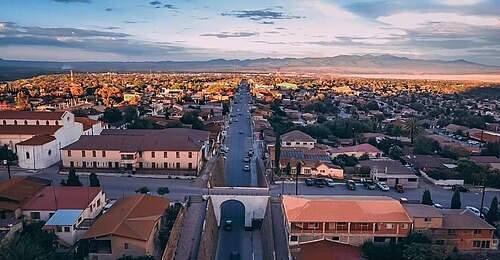
Cananea is a city located in the northern part of Mexico, specifically in the state of Sonora. Situated at an elevation of approximately 1,500 meters (4,920 feet) in the Sierra Madre mountain range, it is near the U.S. border, approximately 30 kilometers (18.6 miles) from the Arizona border. Founded in the late 19th century, Cananea has historical significance due to its mining activities, particularly copper mining, which began in the 1880s. The city quickly developed as a mining town, attracting workers from various regions, and became a crucial center for copper extraction and processing, with the Cananea Consolidated Copper Company playing a pivotal role in its economy. The city's mining industry has influenced its growth and demographic composition over the years.
Throughout the 20th century, Cananea was marked by various social and political movements, notably the Cananea strike of 1906, which was one of the first major labor strikes in Mexico and had a lasting impact on labor rights and reforms in the country. The strike was a response to poor working conditions, low wages, and the monopolistic practices of foreign mining companies. Today, Cananea is characterized by its rich cultural heritage, blending indigenous and colonial influences, with multiple museums and historical sites that commemorate its mining past and revolutionary history. The city also retains a vibrant community, evidenced by local traditions and festivals that reflect its cultural diversity. With its scenic landscapes and historical significance, Cananea attracts visitors who are interested in both its natural beauty and its pivotal role in Mexico's industrial history.
Facts about Cananea
- Cananea is known for its rich mining history, particularly in copper, and played a critical role in the Mexican Revolution, particularly during the Cananea Strike of 1906.
- The city is home to the Cananea Copper Company, one of the world's largest copper producers, which significantly influenced the economic and social landscape of the region.
- Cananea features a unique blend of Mexican and American culture due to its proximity to the U.S. border, which has led to a diverse community and cultural exchange.
- The city hosts the annual Festival de la Tradición, celebrating Cananea's cultural heritage with traditional music, dance, and gastronomy.
- El Monumento a los Héroes de Cananea is a significant landmark that commemorates the local heroes who fought for workers' rights and the progress of the mining industry.
- Cananea is located at an elevation of approximately 1,450 meters (4,757 feet), offering a different climate compared to many other cities in Mexico, with milder temperatures.
- The San Pedro River, which runs near Cananea, is an important ecological feature, supporting diverse wildlife and providing beautiful natural landscapes.
- Cananea’s name is derived from the local words for 'valley of the water,' reflecting the region's natural resources and geography.
- The city has a distinctive architectural style influenced by American mining towns from the early 20th century, featuring iconic buildings and infrastructure.
- Cananea sits at the crossroads of major trade routes, facilitating economic activity and making it a vital point for commerce and tourism in the region.