Candelaria, Spain
- 24,319 people
- 7 places to visit
- 28.3557, -16.3717
Places to Visit (7)
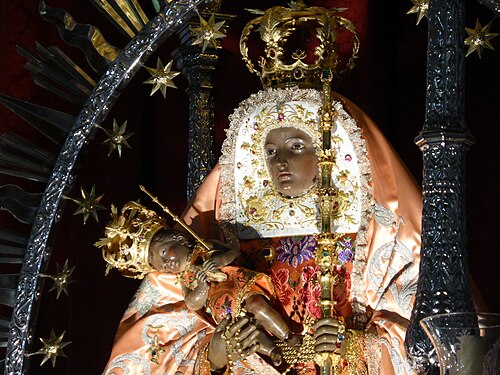
Candelaria is a picturesque town located on the southeastern coast of the island of Tenerife, one of the Canary Islands, which are part of Spain. As the administrative center of the municipality of the same name, Candelaria plays a significant role in both cultural and economic aspects of the region. The town is most renowned for its stunning basilica, the Basílica de Nuestra Señora de la Candelaria, a pilgrimage site dedicated to the Virgin of Candelaria, the island’s patron saint. This impressive structure, built in the neoclassical style, draws thousands of visitors each year, particularly during the annual festival in early February, which celebrates the Virgin’s feast day, showcasing vibrant processions, traditional music, and communal activities.
Candelaria boasts a charming waterfront, with a mix of rocky promenades and sandy beaches, making it an attractive destination for both locals and tourists. The town's economy is largely driven by tourism, with numerous hotels, restaurants, and shops catering to visitors. Beyond the immediate attractions, Candelaria serves as a gateway to the richer cultural and natural landscapes of Tenerife, with its majestic mountains and lush hiking trails. The area is also known for its historical significance, having been the first settlement on the island, where the Guanches, the indigenous people, resided before Spanish colonization. Today, Candelaria continues to celebrate its heritage, hosting various cultural events that reflect the blend of indigenous and Spanish influences, making it a unique hub of history and culture in the Canary Islands.
Facts about Candelaria
- Candelaria is famous for the Basilica of Our Lady of Candelaria, which houses a revered statue of the Virgin of Candelaria, the patroness of the Canary Islands.
- The town is known for its annual pilgrimage, the Romería de Candelaria, which attracts thousands of visitors and is one of the largest religious events in the Canary Islands.
- Candelaria has a rich pre-Hispanic history, as it was originally settled by the Guanche people, the indigenous inhabitants of the Canary Islands.
- The coastal cliffs of Candelaria offer stunning views of the Atlantic Ocean and are home to various marine species, making it a notable spot for ecotourism.
- Candelaria's location in the province of Santa Cruz de Tenerife allows it to be a central hub for exploring other parts of Tenerife, providing access to a range of natural and cultural attractions.
- The town's architecture features a blend of traditional Canarian styles and modern influences, creating a unique visual identity distinct from mainland Spanish towns.
- Candelaria is also known for its local crafts, particularly handicrafts made from natural materials that reflect the island's culture and traditions.
- The area around Candelaria is characterized by its beautiful beaches and volcanic landscapes, differentiating it from other Spanish cities primarily built in a more urban coastal style.
- Candelaria has a strong sense of community and hosts various cultural events throughout the year, promoting the rich heritage and traditions of the Canary Islands.
- The local gastronomy features unique dishes that incorporate the flavors of the Canary Islands, such as papas arrugadas with mojo sauce, which sets it apart from other regions of Spain.