Canosa di Puglia, Italy
- 29,847 people
- 10 places to visit
- 41.2225, 16.066
Places to Visit (10)
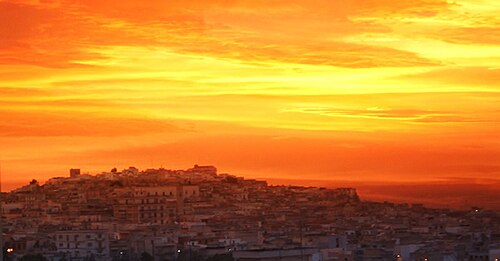
Canosa di Puglia is a historic city located in the Apulia region of southeastern Italy, specifically within the province of Barletta-Andria-Trani. Positioned near the Ofanto River and approximately 40 kilometers southwest of Bari, Canosa has a population of around 30,000 residents. The city has deep historical roots, dating back to ancient times, with evidence of settlement from the Paleolithic era. The area was originally populated by the Peucetians, an ancient Italic people, and later became an important center during the Roman Empire, known as Canusium. Significant archaeological finds, including Roman amphitheaters, tombs, and the remains of ancient churches, highlight its rich heritage and cultural significance.
Canosa di Puglia is renowned for its architectural landmarks, including the Romanesque Cathedral of San Sabino, which dates back to the 12th century and features a striking bell tower and intricate artwork. The city is also famous for the archaeological site of the Hypogeum of the Via Appia, a complex of underground tombs and chambers that showcase early Christian burial practices. Additionally, Canosa hosts a series of significant festivals throughout the year, celebrating both religious traditions and local folklore, such as the Feast of San Sabino. The city's vibrant cultural scene is complemented by its culinary offerings, which include traditional Apulian dishes featuring fresh local ingredients, such as orecchiette pasta and a variety of seasonal vegetables.
Modern-day Canosa di Puglia serves as a gateway to explore the surrounding area, characterized by its picturesque landscapes, olive groves, and vineyards. The city also provides excellent connectivity to other notable cities in Apulia, making it accessible to both tourists and residents. With its blend of ancient history, architectural splendor, and modern amenities, Canosa di Puglia represents a unique destination that encapsulates the cultural richness of southern Italy. The ongoing preservation of its historical sites ensures that Canosa continues to attract visitors who are eager to delve into its storied past while enjoying the charm of contemporary Italian life.
Facts about Canosa di Puglia
- Canosa di Puglia is home to the ancient Roman ruins of the Amphitheater, which dates back to the 1st century AD, making it one of the oldest surviving amphitheaters in Italy.
- The city has a rich archaeological history, with findings that date back to the Neolithic period, making it a key site for studies of early human settlement in Italy.
- Canosa is known for its unique 'caves' or 'grottos', which were used as burial sites in ancient times, showcasing complex burial practices of its early inhabitants.
- The city is famous for its production of high-quality olive oil, attributed to the region's ideal climate and ancient olive trees that are hundreds of years old.
- Canosa di Puglia is recognized for the Cathedral of San Sabino, a significant religious structure that combines Romanesque and Baroque architectural styles and dates back to the 11th century.
- The town hosts an annual festival called 'Festa di San Francesco' every October, which celebrates the patron saint with processions, music, and traditional foods.
- Canosa di Puglia is also notable for its local cuisine, particularly 'orecchiette', a pasta that is typical of the Apulia region and is often made fresh by local artisans.
- During Roman times, Canosa was an important town known as Canusium, serving as a strategic military and trade center, with roads connecting it to other significant cities.
- The city has a significant Christian heritage, with numerous ancient churches and relics that reflect its importance in early Christianity in southern Italy.
- Canosa di Puglia is distinguished by its vibrant art scene, including various festivals and exhibitions that highlight both contemporary and traditional artistic practices.