Canvey Island, United Kingdom
- 38,170 people
- 10 places to visit
- 51.5171, 0.5784
Places to Visit (10)
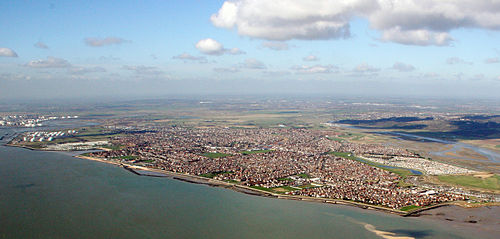
Canvey Island is a small but notable island and civil parish located in the Thames estuary in Essex, England. Historically linked to the larger mainland through various waterways, it is approximately 28 square kilometers in size and is predominantly low-lying, with much of the land below sea level. This unique geological positioning has influenced both its development and the challenges it faces from flooding. The island is part of the Basildon borough and has a population of around 40,000 residents. Its strategic location makes it part of the London commuter belt, allowing many inhabitants to travel to the capital for employment while enjoying the island's suburban lifestyle.
The island’s history dates back to the prehistoric era, with evidence of settlements existing as far back as the Bronze Age. Canvey Island gained significant attention during the 19th century, when it became a popular destination for leisure and tourism, particularly with the construction of the first holiday camps in the 1920s. The island's sea walls, which were built to protect it from flooding, are a testament to ongoing efforts to manage the risks posed by its low elevation. In addition to its rich agricultural heritage, Canvey Island boasts several nature reserves and parks that contribute to its communal identity and attract environmental enthusiasts. Furthermore, the island has a vibrant local culture, highlighted by the annual events and festivals that foster community spirit.
Today, Canvey Island retains a unique character that blends seaside charm with modern conveniences. The local economy has diversified; while it historically relied on agriculture and tourism, it now benefits from retail and various small businesses. Attractions include the Canvey Island Transport Museum, which showcases the region's transport history, and the iconic seafront and Thames estuary views. Despite facing geographical challenges, such as vulnerability to flooding, the island is committed to environmental and infrastructural improvements. Its diverse community and rich history offer a glimpse into a unique part of the United Kingdom that balances natural beauty with the dynamics of modern life.
Facts about Canvey Island
- Canvey Island is known for its unique position on the Thames Estuary, making it one of the few places in the UK where one can witness a mix of natural and industrial coastal landscapes.
- The island became famous for its development as a seaside resort in the 19th century, particularly known for its amusement parks and beach attractions during the summer months.
- In the 20th century, Canvey Island was the site of a significant oil industry, originally built in the 1930s, and it is home to the largest oil terminal in the UK.
- Canvey's history includes the experience of a major flood in 1953, which led to improvements in tidal defences and raised the island's flood resilience.
- The island is also known for its unique wildlife, particularly the nearby Benfleet Creek and the South Essex Marshes, which host various bird species and marine life.
- Canvey Island features the iconic Canvey Island Lobster, a local fishing catch that has become a culinary symbol of the region.
- The island boasts the 'Canvey Island Heritage Centre,' which provides insight into the local history, including the impact of the 1953 floods and the island's development over time.
- Canvey Island is home to the world's first ever recorded flatland BMX track, built in the 1980s, making it a historical site in the BMX community.
- The 1992 film 'The Last of the Mohicans' shot several scenes on Canvey Island, showcasing its diverse landscapes and connection to film history.
- Canvey Island's local dialect contains unique phrases and vocabulary, influenced by its historical population and geographical isolation.