Cap-Haïtien, Haiti
- 134,815 people
- 4 places to visit
- 19.737, -72.2068
Places to Visit (4)
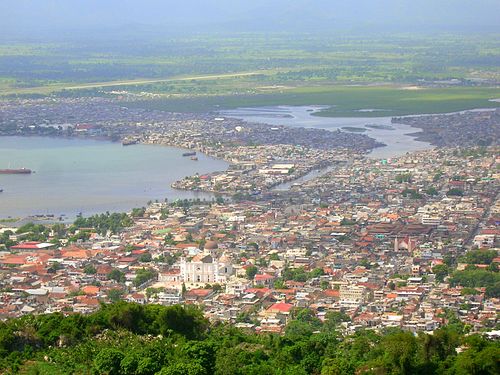
Cap-Haïtien, the second-largest city in Haiti, is situated on the northern coast of the country along the Atlantic Ocean. Known historically as Cap-Français, the city was once a bustling port during the French colonial era, serving as a major center for sugar and coffee trade. Established in the late 17th century, Cap-Haïtien became the first capital of Haiti and has retained its importance as a cultural and economic hub. With a population approaching 300,000, it is recognized for its vibrant culture, colonial architecture, and scenic coastal views, making it a significant destination for both tourism and local commerce.
The city is home to several historical sites, including the Citadelle Laferrière, a UNESCO World Heritage Site, which stands as a symbol of Haitian independence. The fortress, constructed by Henri Christophe in the early 19th century, offers panoramic views of the surrounding landscape and is one of the largest fortifications in the Americas. Additionally, visitors can explore the nearby Palais Sans Souci, the former royal residence of King Christophe, characterized by its neoclassical design. Cap-Haïtien also features lively markets, beaches, and a rich musical and culinary scene that reflects the fusion of African, French, and indigenous influences. Despite facing challenges such as economic instability and natural disasters, Cap-Haïtien remains a testament to Haiti’s resilience and cultural richness.
Facts about Cap-Haïtien
- Cap-Haïtien is known as the historical capital of Haiti and was the country's first capital following its independence from France.
- The city is home to the Citadelle Laferrière, a UNESCO World Heritage Site and one of the largest fortresses in the Americas, built to defend against potential foreign invasions.
- Cap-Haïtien was once the center of the sugar trade during the colonial period and had a booming economy due to its sugar plantations.
- The city is famous for its vibrant Carnaval celebrations, which are among the largest and most colorful in Haiti, showcasing the local culture and music.
- Cap-Haïtien features the Palais Sans Souci, a historic royal palace that served as the residence of King Henri Christophe, a key figure in Haiti's history.
- The city is known for its stunning beaches, particularly Labadee, which is a popular resort destination and port for cruise ships.
- Cap-Haïtien is the birthplace of several prominent Haitian leaders, including Henri Christophe and Alexandre Pétion, who played significant roles in the early history of Haiti.
- It serves as a significant economic hub in northern Haiti, being a port city that facilitates trade and commerce.
- Cap-Haïtien has a mix of colonial architecture and Haitian art, which reflects its rich cultural heritage and history as a colonial settlement.
- The city is surrounded by lush mountainous terrain, providing opportunities for eco-tourism and outdoor activities, distinguishing it from coastal towns.