Cape Coast, Ghana
- 212,426 people
- 9 places to visit
- 5.1231, -1.2689
Places to Visit (9)
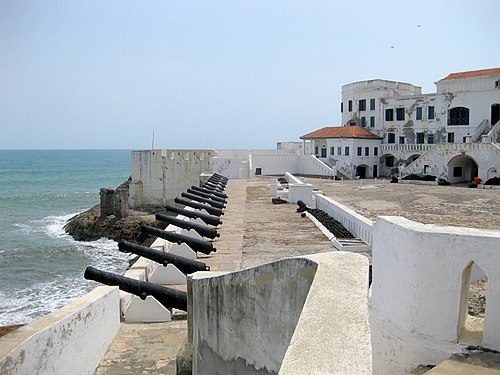
Cape Coast, located on the Atlantic coast of Ghana, is one of the nation’s oldest cities, with a history that dates back to the 15th century. Originally established by the Portuguese in 1471, the city became a key center for the trade of gold and later, enslaved people. It served as the capital of the British Gold Coast until 1877 when it was replaced by Accra. Cape Coast is renowned for its rich cultural heritage, historical significance, and beautiful coastal scenery. The city features several colonial-era buildings, vibrant markets, and local crafts that reflect its diverse history.
One of Cape Coast's most prominent landmarks is the Cape Coast Castle, a UNESCO World Heritage site, which was built by the Swedish in 1652 and later expanded by the British. This castle played a pivotal role in the transatlantic slave trade, housing thousands of enslaved Africans before their forced journey to the Americas. Today, it functions as a museum, educating visitors about this dark chapter in history and serving as a memorial for the lives affected by the slave trade. Cape Coast also hosts the annual Fetu Afahye festival, a lively celebration that showcases the culture of the Efutu people, characterized by traditional music, dance, and rituals meant to honor the sea and ensure the community's well-being.
Cape Coast is also a hub for education and tourism, hosting the University of Cape Coast, known for its programs in education, social sciences, and law. The city’s beaches, such as the famous Cape Coast Beach, attract both locals and tourists, offering opportunities for relaxation and water sports. The surrounding area is lush with vegetation and has access to several national parks, making it a popular destination for ecotourism. Visitors can explore the nearby Kakum National Park, famous for its canopy walkway and diverse wildlife, as well as the historical town of Elmina, home to Elmina Castle, which is the oldest European structure in sub-Saharan Africa. Cape Coast continues to grow as a cultural and educational center, blending its historical legacy with modern development.
Facts about Cape Coast
- Cape Coast is home to the Cape Coast Castle, a UNESCO World Heritage Site, which was a significant center for the transatlantic slave trade.
- The city was the capital of the Gold Coast (now Ghana) under British rule until 1877, when the capital was moved to Accra.
- Cape Coast is known for its vibrant festivals, particularly the Fetu Afahye, which celebrates the city’s fishing heritage and the arrival of the new fishing season.
- The area around Cape Coast has some of the oldest schools in Ghana, including the Cape Coast School for the Deaf and Cape Coast Technical Institute.
- Cape Coast is known for its picturesque beaches, such as Kokrobite and Ekon, which attract both local and international tourists.
- The city has a rich history of educational institutions, including the University of Cape Coast, which is renowned for its teacher training programs.
- Cape Coast's rich cultural heritage is reflected in its numerous traditional festivals and ceremonies that showcase local music and dance.
- The city features the Cape Coast Lighthouse, built in 1892, which serves as a functioning lighthouse and a historical landmark.
- Cape Coast is known for its unique blend of colonial architecture, with colorful buildings and historical sites lining its streets.
- The city is a hub for artisanal fishing and has a distinct seafood cuisine that sets it apart from other regions in Ghana.