Capiatá, Paraguay
- 198,553 people
- 4 places to visit
- -25.3559, -57.4407
Places to Visit (4)
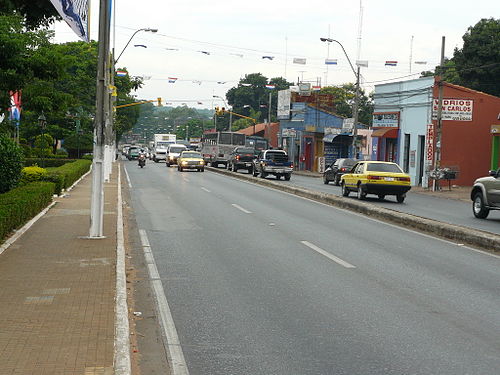
Capiatá is a city located in the Central Department of Paraguay, situated approximately 20 kilometers east of the capital city, Asunción. With a population of around 200,000 residents, Capiatá is one of the most populous cities in the country. The area was officially founded on December 4, 1779, and its name, derived from the Guaraní language, translates to "the place of the vines." This reflects the region's historical connection to agriculture and its lush landscape, which includes various natural resources.
The economy of Capiatá is largely based on agriculture, small-scale manufacturing, and trade. The city is known for its production of fruits and vegetables, contributing to the local and national markets. In recent years, there has been significant urban development, with improvements in infrastructure and public services. The economic growth has led to an increase in housing projects, schools, and healthcare facilities, making the city an attractive destination for migrants from rural areas seeking better living conditions. Capiatá also has a rich cultural scene, with various festivals and events celebrating its heritage and traditions, particularly those rooted in the Guaraní culture.
Capiatá is well-connected to Asunción and other nearby regions through a network of roads and public transport, facilitating commerce and daily commutes. The city is also known for its educational institutions, both public and private, which cater to a wide range of academic interests. Capiatá's blend of urban and rural characteristics, along with its growing economic prospects, positions it as a dynamic city within Paraguay, continuously evolving while maintaining its cultural heritage. As the country develops, Capiatá is expected to play an increasingly important role in the region's overall growth and stability.
Facts about Capiatá
- Capiatá is known for its strong religious culture and is home to the Basilica of the Virgin of Caacupé, an important pilgrimage site for Catholic Christians.
- The city is situated just 20 kilometers east of Asunción, the capital of Paraguay, making it a significant suburb with a growing population.
- Capiatá was officially founded on December 27, 1775, making it one of the older settlements in the Central Department of Paraguay.
- The local economy of Capiatá is heavily based on agriculture, and the city is known for producing vegetables, especially in its surrounding rural areas.
- Capiatá hosts the colorful Feast of the Virgin of Caacupé, an annual event that attracts thousands of pilgrims and showcases local traditions and culture.
- The city is distinguished by its unique urban layout, characterized by a mix of traditional Paraguayan architecture and more modern constructions.
- Capiatá is part of the Central Department and is one of the most populous cities in the country, reflecting rapid urbanization and development.
- Historically, Capiatá served as a strategic point during the Paraguayan War, contributing to its significance in Paraguay’s national history.
- The city is known for its cultural events, including the Capiatá Municipal Festival, which features music, dance, and local gastronomy.
- Capiatá is home to several sports clubs, including Capiatá Sports Club, which has made its mark in Paraguayan football, participating in the country's top league.