Caracal, Romania
- 33,761 people
- 14 places to visit
- 44.1157, 24.3425
Places to Visit (14)
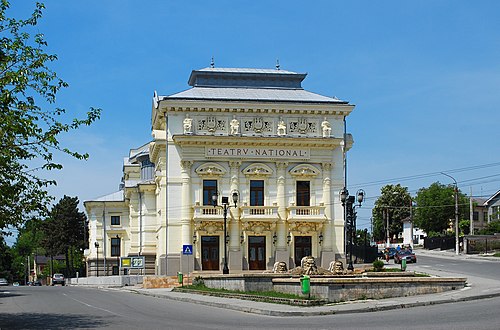
Caracal is a city situated in Olt County, Romania, known for its rich history and cultural significance. It lies in the southern part of the country, approximately 30 kilometers northeast of Craiova and around 160 kilometers west of Bucharest. Caracal serves as an important economic and administrative hub in the region. The city has a strategic location that historically made it a crossroads for trade, contributing to its growth and development. With a population of around 23,000 inhabitants, Caracal boasts a blend of historical architecture and modern infrastructure.
The history of Caracal dates back to ancient times, with archaeological findings suggesting human habitation in the area since the Dacian era. It evolved over the centuries, gaining prominence during the Middle Ages when it became an important commercial center. Caracal is also noted for its architectural landmarks, including the Neoclassical-style "Casa de Cultura," which hosts various cultural events. The city played a role in Romania’s political landscape during the 19th century, particularly during the unification movements. Additionally, Caracal is famous for its vibrant local culture, hosting various festivals that celebrate its traditions and folkloric heritage.
In terms of economy, Caracal has shifted over the years from agriculture to more industrial activities, although agriculture still plays a significant role in the local economy. The presence of small to medium-sized enterprises contributes to the employment rate in the area. Transportation is facilitated by the well-connected road networks, making it accessible to nearby cities and enhancing its role as a trade center. As Caracal continues to develop, it aims to balance preserving its historical identity with embracing modernization, making it an intriguing destination for both residents and visitors.
Facts about Caracal
- Caracal is known for its unique historical architecture, including the 19th-century Tearful Fountain, which is a symbol of the town.
- The town is famous for its contributions to Romanian literature, particularly as the birthplace of poet and journalist George Coșbuc.
- Caracal played a significant role during the Romanian War of Independence, with many local citizens participating in the conflict.
- The town is home to the Caracal Citadel, a historic fortification that dates back to the 15th century, which sets it apart from other cities in Romania.
- Caracal hosts the annual 'Days of the Town', a cultural festival that celebrates local traditions, crafts, and gastronomy unique to the area.
- The Caracal area boasts significant archaeological sites, including remnants of Dacian settlements, which add to the region's historical importance.
- Caracal is the administrative center of Olt County and is strategically located at the crossroads of major trade routes, distinguishing its economic role from other towns.
- The local economy historically relied on textile and agricultural production, but has recently seen growth in tourism and services, highlighting its evolving character.
- Caracal is known for its natural landscapes, including the nearby forested areas that attract outdoor enthusiasts, providing a unique recreational aspect compared to urban centers.
- The town is also recognized for its diverse religious heritage, with Orthodox, Catholic, and Protestant communities coexisting, adding to its multicultural identity.