Caracas, Venezuela
- 3,000,000 people
- 18 places to visit
- 10.4806, -66.9036
Places to Visit (18)
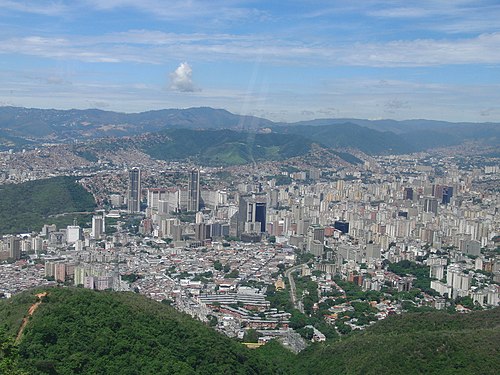
Caracas, the capital city of Venezuela, is situated in the northern part of the country, nestled in a valley surrounded by the towering peaks of the Andes Mountains. Established in 1567 by Spanish explorer Diego de Losada, Caracas has grown into a vibrant and bustling metropolis, now home to over two million residents. The city serves as the political, cultural, and economic center of Venezuela, housing key government institutions, educational establishments, and numerous businesses. The geographical location of Caracas, at an elevation of approximately 1,000 meters (about 3,281 feet) above sea level, contributes to its temperate climate, marked by mild temperatures and a rainy season that typically spans from May to November.
Caracas is renowned for its rich cultural heritage, which is reflected in its architecture, cuisine, and annual festivals. The city boasts a mix of colonial-style buildings and modern skyscrapers, with notable landmarks such as the 64-meter-tall El Ávila National Park, providing residents and visitors with recreational opportunities and stunning views. The heart of Caracas is marked by the Plaza Bolívar, a historic square dedicated to Simón Bolívar, the national hero. The city also hosts several museums, theaters, and galleries, highlighting its vibrant arts scene. Despite its cultural richness, Caracas faces significant challenges, including economic instability, crime, and social unrest. The political and economic crises that have unfolded in recent years have led to widespread inflation, shortages of basic goods, and an ongoing humanitarian situation that has prompted large numbers of residents to emigrate. Nevertheless, Caracas remains a city of resilience, where communities continue to adapt and thrive amidst adversity, contributing to its unique identity within the Latin American landscape.
Facts about Caracas
- Caracas is the capital and largest city of Venezuela, serving as the political, cultural, and economic center of the country.
- The city is known for its unique combination of modern skyscrapers and historic colonial architecture, with notable landmarks such as the Cathedral of Caracas and the Plaza Bolivar.
- Caracas sits at an elevation of approximately 1,000 meters (3,281 feet) above sea level in a geographically unique valley surrounded by the Avila Mountain range.
- The city is home to the Simon Bolivar International Airport, one of the busiest airports in Venezuela, serving as a major gateway for international travelers.
- Caracas has a vibrant cultural scene, hosting events such as the Festival Internacional de Teatro de Caracas, which attracts artists and performers from around the world.
- The Universidad Central de Venezuela, located in Caracas, is a UNESCO World Heritage Site recognized for its modernist architecture and significant contribution to education in Latin America.
- The Caracas Metro is one of the largest and most advanced subway systems in South America, providing efficient public transport to millions of residents.
- Caracas is home to notable parks, including Parque del Este and El Ávila National Park, which offer recreational opportunities and a natural escape within the urban environment.
- The city has a diverse population, with a rich mix of cultural influences, contributing to its vibrant culinary scene that features traditional Venezuelan dishes.
- Caracas has been the site of numerous historical events, including the declaration of independence from Spain in 1810 and becoming the birthplace of many influential Latin American leaders.