Carcaixent, Spain
- 21,735 people
- 3 places to visit
- 39.1016, -0.4219
Places to Visit (3)
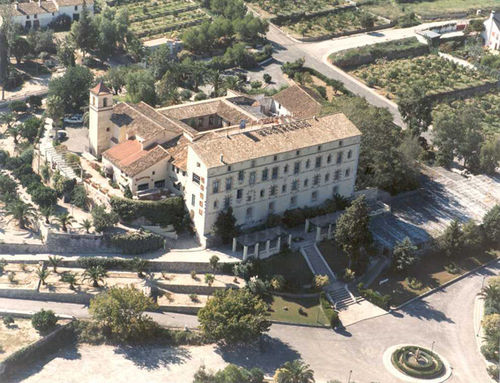
Carcaixent is a municipality located in the province of Valencia, within the autonomous community of Valencia, Spain. Positioned approximately 40 kilometers south of Valencia City, it is part of the comarca of Ribera Alta. The town has a rich agricultural history, with its economy traditionally rooted in the cultivation of citrus fruits, particularly oranges, which thrive in the region's Mediterranean climate. Over the years, the town has seen a shift towards industrialization, with food processing and manufacturing taking a central role in its economy, making it a notable center for the production of canned foods and related products.
The history of Carcaixent dates back to ancient times, with evidence of Roman and Moorish settlements in the area. The town's name is believed to derive from Arabic origins, highlighting its historical significance during the Iberian Peninsula's Muslim rule. Carcaixent features several noteworthy landmarks, including the Church of Santa María, which showcases elements of both Gothic and Baroque architecture, and several preserved rural estates that reflect the region's agricultural legacy. Additionally, the municipality celebrates various traditional festivals throughout the year, including the popular Fallas festival in March, where artistic sculptures are built and then ceremonially burned, symbolizing renewal and the arrival of spring.
In recent years, Carcaixent has sought to enhance its appeal as a tourist destination, promoting its rich cultural heritage, stunning natural landscapes, and local gastronomy. The surrounding areas offer a variety of outdoor activities, such as hiking and cycling, while the town itself hosts multiple cultural events and markets that attract both locals and visitors. With its balance of tradition and modernity, Carcaixent continues to evolve while preserving its historical identity, making it a unique part of Valencia's diverse landscape.
Facts about Carcaixent
- Carcaixent is home to the famous 'La Tomatina' festival, which features a massive tomato fight, though it is more commonly associated with the nearby town of Buñol.
- The city is known for its long-standing agriculture tradition, particularly in the cultivation of citrus fruits, which play a vital role in the local economy.
- Carcaixent has a unique architectural feature known as the 'Casa de los Puchades,' a historic building that showcases the local modernist style.
- The 'Fallas' festival, which includes the making and burning of intricately designed paper-mâché figures, is celebrated enthusiastically in Carcaixent, contributing to its vibrant cultural identity.
- The town is distinguished by its many art historical sites, such as the Church of San Juan Bautista, built in the early 20th century with stunning stained glass.
- Carcaixent was officially recognized as a municipality in 1820, reflecting its importance within the Valencia region.
- In addition to its agricultural output, Carcaixent has a growing reputation for producing high-quality handmade ceramics, showcasing local craftsmanship.
- The city's location near the Albufera Natural Park provides residents and visitors with easy access to stunning landscapes and biodiversity, distinct from many other Spanish cities.
- Carcaixent hosts the 'Fira de la Taronja' (Orange Fair), celebrating the local citrus industry and attracting visitors with exhibitions, workshops, and tastings.
- It has several local traditions related to gastronomy, including unique dishes that utilize its local agricultural products, setting it apart from other regions in Spain.