Carcassonne, France
- 49,600 people
- 16 places to visit
- 43.2163, 2.3539
Places to Visit (16)
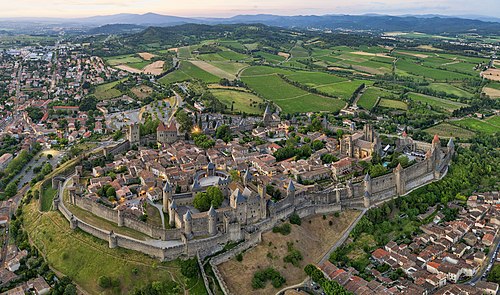
Carcassonne is a fortified city in the Aude department in the Occitanie region of southern France. Known for its stunning medieval architecture, it is best recognized for its well-preserved citadel, La Cité de Carcassonne, which is a UNESCO World Heritage site. The city’s history dates back more than 2,500 years, originally serving as a strategic stronghold due to its location near the border of France and Spain. The Romans established a presence here in the 1st century BC, constructing fortifications that laid the groundwork for the city’s development. Over the centuries, Carcassonne has witnessed various conflicts, including the Cathar Crusade in the 13th century, which intensified its military importance.
Today, Carcassonne attracts millions of visitors each year who are captivated by its vast double walls, 52 towers, and the iconic Château Comtal within the citadel. The architecture exemplifies a mix of Roman and medieval styles, with features such as battlements, drawbridges, and cobblestone streets that evoke a sense of stepping back in time. The city is also home to the Basilica of Saint-Nazaire, noted for its stunning stained glass and Gothic architecture. Besides its historical allure, Carcassonne hosts several annual cultural events, including the Carcassonne Festival, which showcases music, theater, and fireworks that fill the summer nights with vibrancy. The surrounding region is known for its natural beauty, with the nearby Corbières hills and vineyards offering opportunities for outdoor activities and wine tasting. Carcassonne remains a remarkable blend of history, culture, and scenic views, making it a quintessential destination for those exploring the rich heritage of France.
Facts about Carcassonne
- Carcassonne is famous for its medieval fortress, La Cité, which is a UNESCO World Heritage site and one of the best-preserved fortified cities in Europe.
- The city is known for its double-walled fortifications, which include 52 towers and an impressive castle, the Château Comtal, dating back to the 12th century.
- Carcassonne has a unique medieval architecture blending both Roman and Gothic styles, which is particularly evident in its Basilica of Saint-Nazaire.
- The city hosts the Festival of Carcassonne, a month-long cultural event each summer, featuring concerts, theater performances, and fireworks displays.
- Carcassonne's history as a key strategic location during the Cathar period contributes to its rich historical narrative, marked by conflicts and defense against the Crusades.
- The Canal du Midi, a UNESCO World Heritage site, runs through Carcassonne and was an important waterway during the 17th century, facilitating trade and transportation.
- Local cuisine in Carcassonne is notable for dishes like cassoulet, which originated from the region and is a hearty stew traditionally made with beans and meat.
- The city's modern-day economy is heavily influenced by tourism, thanks to its historical sites and picturesque landscape, drawing visitors from all over the world.
- Carcassonne was significantly transformed in the 19th century due to restoration efforts led by architect Eugène Viollet-le-Duc, enhancing its historical significance.
- The city is home to a lively artisan market, where local craftspeople sell handmade goods, showcasing the region's commitment to preserving traditional arts.