Carcavelos, Portugal
- 20,366 people
- 12 places to visit
- 38.6903, -9.3368
Places to Visit (12)
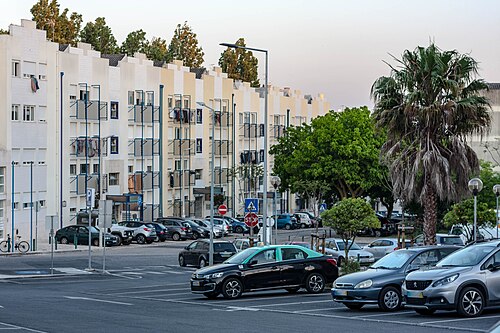
Carcavelos is a picturesque coastal town located in the municipality of Cascais, Portugal. Situated approximately 15 kilometers west of Lisbon, Carcavelos is part of the larger Lisbon District and is known for its beautiful beaches, vibrant atmosphere, and historical significance. The town has a population of around 8,000 residents, yet its charm attracts many visitors, particularly during the summer months when beachgoers flock to its coastline for sunbathing and surfing. The most renowned beach in Carcavelos is Praia de Carcavelos, which stretches for nearly a kilometer and has become a popular destination for both locals and tourists due to its wide sandy shore and excellent conditions for water sports.
Historically, Carcavelos was primarily an agricultural community, but its proximity to the capital has spurred urban development and transformed it into a residential hub. The town is well-connected by public transportation, featuring a train station that links it to Lisbon and other nearby coastal towns, making it easily accessible for daily commuters and visitors. Besides its scenic beaches, Carcavelos is home to several noteworthy landmarks. The Fort of São Julião da Barra, built in the 16th century, is a key historical site that served as a defense against maritime invasions and now offers a glimpse into the region's architectural heritage. Additionally, the area features a diverse array of restaurants, bars, and shops, contributing to a lively cultural scene that showcases traditional Portuguese cuisine and contemporary influences.
Carcavelos is also recognized for its academic institutions, including the Nova School of Business and Economics, which further enhances its appeal among students and professionals. The town enjoys a Mediterranean climate, characterized by warm summers and mild winters, contributing to a relaxed lifestyle that is treasured by its residents. The blend of natural beauty, rich history, and modern amenities positions Carcavelos as a dynamic destination, perfect for those seeking both leisure and cultural experiences in Portugal. As the town continues to grow and develop, it remains a charming coastal retreat that encapsulates the essence of Portuguese coastal living.
Facts about Carcavelos
- Carcavelos is renowned for its beautiful beach, Praia de Carcavelos, which is one of the longest and most popular beaches near Lisbon.
- The town is known for its significant historical role in the 16th century as a key point for the export of Portuguese wine and other goods.
- Carcavelos is home to the Fort of São Julião da Barra, a 16th-century fortress that guarded the entrance to the Tagus River and played a crucial role in Portugal's maritime defense.
- The Carcavelos area is noted for its production of Carcavelos wine, a fortified wine that has received Protected Designation of Origin status.
- Carcavelos is part of Cascais Municipality but has a distinct identity and is often less crowded than the more famous neighboring town of Cascais.
- The town hosts a vibrant surfing community, thanks to its consistent waves and favorable surf conditions, attracting surfers from around the region.
- Carcavelos is directly connected to Lisbon by the Cascais Line train, making it an easily accessible destination for day-trippers.
- Every September, Carcavelos hosts the Carcavelos Beach Festival, celebrating local culture, music, and cuisine, drawing visitors from across the country.
- The area features the Escola Superior de Hotelaria e Lazer (Higher School of Hospitality and Leisure), a significant educational institution in tourism and hospitality.
- Carcavelos is known for its picturesque coastal promenade, which stretches along the beach and offers stunning views of the Atlantic Ocean.