Cardiff, United Kingdom
- 447,287 people
- 18 places to visit
- 51.4837, -3.1681
Places to Visit (18)
Cardiff, the capital city of Wales, is a vibrant cultural and political hub located on the southern coast of the country. With a population of approximately 370,000 inhabitants, it is the largest city in Wales and serves as a key center for education, commerce, and the arts. Cardiff’s history can be traced back to Roman times, when it was known as “Cardiffium,” marked by the establishment of a fort in 75 AD. Over the centuries, the city evolved from a modest market town into a bustling port, particularly during the 19th century, when it became a significant center for coal exportation. This transformation fueled rapid industrial growth, attracting a diverse population and leading to an urban expansion that has shaped Cardiff’s contemporary landscape.
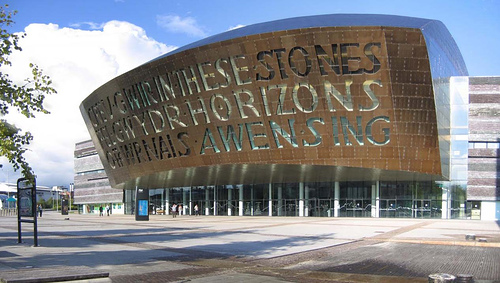
The city is characterized by a rich array of cultural attractions, including the iconic Cardiff Castle, which dates back to the 11th century and showcases a blend of Norman and Gothic architecture. Additionally, the National Museum Cardiff houses impressive collections of art and natural history, while the Wales Millennium Centre serves as a prestigious venue for performing arts, hosting operas, concerts, and theatrical productions. Other notable landmarks include the beautiful Cardiff Bay, which has undergone significant redevelopment to offer leisure activities, dining options, and scenic walks along the waterfront. Cardiff is also a prominent center for sports, famously home to the Principality Stadium, where major rugby and football events take place, as well as the home of the Welsh national rugby team.
Education plays a vital role in Cardiff’s identity, with institutions such as Cardiff University and the University of South Wales attracting students from across the globe. The city’s multicultural fabric is reflected in its diverse demographics, with significant communities from various cultural backgrounds contributing to its dynamic atmosphere. Cardiff has a lively nightlife, an array of restaurants, and a burgeoning arts scene, making it a popular destination for both tourists and residents. As the capital of Wales, Cardiff also serves as the center of Welsh governance and culture, advocating for the Welsh language and heritage, which are integral to its identity. Overall, Cardiff is a city that seamlessly blends historical significance with modern vibrancy, embodying a unique Welsh spirit that continues to thrive.
Facts about Cardiff
- Cardiff is the capital city of Wales and the youngest capital in Europe, having been granted city status in 1905.
- The Cardiff Bay area is home to the UK's largest waterfront development, which includes the Wales Millennium Centre, a hub for arts and culture.
- Cardiff Castle, a medieval castle with Roman and Norman roots, is located in the city center and offers a blend of history and architecture not found in many other cities.
- The city is known for hosting major sporting events, being home to the Principality Stadium, which has the capacity to hold 74,500 spectators and is the national stadium of Wales.
- Cardiff is recognized for its vibrant multicultural scene and is one of the UK's top destinations for international students.
- The Welsh language is an official language in Cardiff, with many signs and public services available in both Welsh and English, making the city unique in the context of the UK.
- The city was the world's first to receive the title of 'Peace Capital' from the UN, reflecting its commitment to global peace initiatives.
- Cardiff has a rich industrial heritage, especially in shipbuilding and coal exportation during the 19th century, contributing significantly to the city's growth.
- The National Museum Cardiff houses an impressive collection of art and natural history including works by renowned artists like Monet and Van Gogh.
- Cardiff hosts the annual Cardiff International Food and Drink Festival, showcasing diverse culinary traditions and attracting food lovers from across the region.