Carlow, Ireland
- 24,272 people
- 11 places to visit
- 52.836, -6.9246
Places to Visit (11)
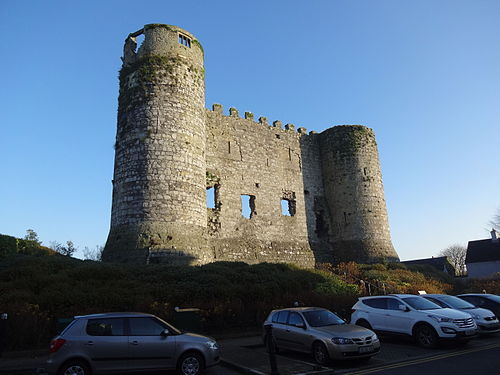
Carlow is a town located in the southeast of Ireland, serving as the county town of County Carlow. The town is situated on the River Barrow and is approximately 84 kilometers southeast of Dublin. Carlow has a population of around 24,000 residents, making it one of the smaller towns in Ireland. Its rich history dates back to medieval times, and it is often noted for its significant architectural heritage, which includes numerous stone structures and ecclesiastical sites. The town's name is derived from the Irish "Ceatharlach," meaning "the marshy place" or "the place of the four lakes," which reflects its geographical features.
Over the centuries, Carlow has developed into an important economic hub in the region, originally flourishing due to the milling industry, particularly for grain and flour. Today, the local economy is diverse, encompassing agriculture, manufacturing, and education. The town is home to Carlow College, a prominent institution which offers various undergraduate and postgraduate courses, contributing to the town's educational landscape. Carlow is well-connected by road and rail, making it accessible for commuters and visitors. The scenic countryside surrounding the town, featuring the iconic Blackstairs Mountains and numerous hiking trails, attracts outdoor enthusiasts.
Culturally, Carlow hosts various festivals and events that highlight its community spirit, such as the Carlow Arts Festival, which celebrates local and national talent through visual arts, music, and performance. The town also boasts several museums, including the Carlow County Museum, which showcases the region's history and heritage. Notable landmarks include the historic Carlow Castle, which dates back to the 12th century, and the imposing Cathedral of the Assumption, a striking example of Gothic architecture completed in 1843. With its combination of historical significance and modern amenities, Carlow offers a unique glimpse into Irish life, making it an attractive destination for those interested in culture, history, and natural beauty.
Facts about Carlow
- Carlow is home to the oldest surviving Norman castle in Ireland, Carlow Castle, which dates back to the 12th century.
- The town is known for its riverside location along the River Barrow, part of the Grand Canal system, which enhances its scenic beauty.
- Carlow is famous for the Carlow Farmers' Market, which showcases local produce and crafts, reflecting the town's agricultural heritage.
- The town is the birthplace of the famous Irish cartoonist and illustrator, John O'Neill, known for creating the comic strip 'The Bogman'.
- Carlow hosts the annual Carlow Arts Festival, which celebrates local and national arts, making it a cultural highlight in the region.
- The Carlow College, a historically significant institution, has been an educational center since 1782, contributing to the academic landscape of Ireland.
- In Carlow, you can find the largest granite sculpture in Ireland, the 'Carlow Stone', which depicts a Celtic cross and represents the town's historical and cultural identity.
- The town has a strong association with Irish nationalism and was a key location during the 1798 Rebellion against British rule.
- Carlow's Cathedral of the Assumption is an impressive Gothic revival structure that significantly contributes to the town's skyline and history.
- The annual Carlow Jazz Festival attracts musicians and visitors from all over, highlighting the town's growing reputation for live music and arts.