Carmagnola, Italy
- 23,012 people
- 14 places to visit
- 44.8462, 7.7177
Places to Visit (14)
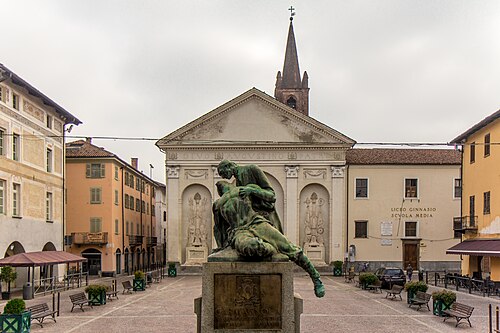
Carmagnola is a charming city located in the Piedmont region of northwestern Italy, specifically within the Metropolitan City of Turin. Situated approximately 30 kilometers south of Turin, it serves as a notable agricultural and industrial hub. The city is characterized by a blend of historical architecture, vibrant marketplaces, and a rich cultural heritage. Carmagnola's most distinctive feature is its beautiful medieval center, where narrow streets are lined with quaint shops and restaurants, offering a glimpse into its past. The town is also known for its traditional buildings, such as the 17th-century Church of San Bartolomeo and the imposing Castello di Carmagnola, a fortress that dates back to the 15th century.
Carmagnola is particularly renowned for its agricultural products, especially its peppers, which are celebrated in local cuisine and contribute to the area's economy. The city hosts an annual festival dedicated to the peperone, highlighting its agricultural significance and promoting local culinary traditions. This event attracts visitors from around the region, showcasing not only the peppers but also various cultural activities, handicrafts, and local gastronomy. Additionally, the city's strategic location and robust transport links, including rail and road access, make it a vital connector for trade and commerce in the region.
Culturally, Carmagnola is vibrant with various local traditions and festivals that reflect the rich history and community spirit of its inhabitants. The city is well-served by public amenities, including schools, parks, and recreational facilities, promoting a high quality of life for residents. The surrounding landscapes of the Po Valley and the nearby hills provide ample opportunities for outdoor activities, such as hiking and cycling, appealing to both locals and tourists. With its picturesque scenery, historical significance, and agricultural legacy, Carmagnola remains an integral part of the Piedmont region, offering a unique blend of tradition and modernity.
Facts about Carmagnola
- Carmagnola is known for its rich agricultural tradition, particularly for producing high-quality peppers, locally referred to as 'Peperoni di Carmagnola'.
- The town has a historical significance as a strategic military outpost during the medieval period, which is reflected in its architecture and layout.
- Carmagnola hosts the annual 'Sagra del Peperone', a festival dedicated to celebrating its renowned peppers with food stalls, cooking competitions, and cultural events.
- The city features the ancient Castle of Carmagnola, which dates back to the 13th century and offers a glimpse into the town’s feudal past.
- Carmagnola's Piazza Sant’Agostino is notable for its beautiful Baroque church, which showcases artistic designs typically found in larger cities.
- The twinning of Carmagnola with other European towns emphasizes its commitment to cultural exchanges and international relations.
- Carmagnola is strategically located near Turin, making it an essential stop for travelers heading to the Piedmont region.
- The city has a distinctive cuisine that emphasizes local produce, particularly in traditional dishes that showcase its agricultural heritage.
- Carmagnola has a rich history of textile production, particularly silk, which contributed to the town's economic development during the Renaissance.
- The local community hosts various events throughout the year, promoting arts, crafts, and local food, distinguishing it as a hub for cultural tourism.