Carmona, Spain
- 28,344 people
- 15 places to visit
- 37.4713, -5.6418
Places to Visit (15)
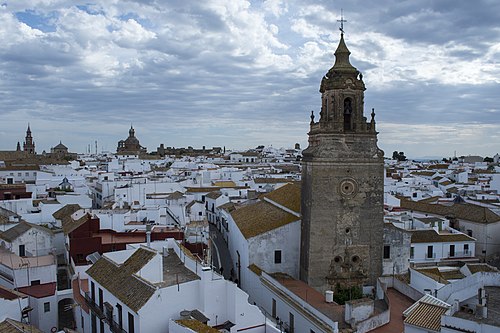
Carmona is a historic city located in the province of Seville, within the autonomous community of Andalusia, Spain. With origins dating back to the prehistoric era, Carmona boasts a rich tapestry of cultural and architectural influences, reflecting its significance through various historical periods. The city was originally a Roman settlement known as "Carmona," which emerged as an essential hub during the Roman Empire, evidenced by well-preserved ruins such as the impressive Roman necropolis and the remains of a Roman amphitheater. Today, Carmona is celebrated for its diverse architectural heritage, showcasing a blend of Roman, Moorish, and Renaissance styles that attract visitors from around the world.
The city's picturesque streets are characterized by charming white-washed buildings, narrow alleys, and vibrant flower-filled patios. Among its notable landmarks, the Alcázar del Rey Don Pedro stands as a prominent reminder of the city's Moorish past, while the Church of Santa María de la Asunción features a stunning Mudejar tower. Additionally, the Plaza de la Villa serves as a central gathering point, surrounded by local shops, cafes, and historical sites. Carmona's economy is primarily based on agriculture, tourism, and artisan crafts, with olive oil production being particularly significant. The city also hosts various festivals throughout the year, including Semana Santa (Holy Week) and the Feria de Carmona, which celebrate its cultural identity and traditions. With its historical depth, architectural beauty, and vibrant culture, Carmona remains a captivating destination that offers a glimpse into the rich history of southern Spain.
Facts about Carmona
- Carmona is home to an impressive Roman necropolis, which is one of the best-preserved examples in Spain, shedding light on the ancient burial practices of the region.
- The city boasts an Alcázar (a fortified castle) that dates back to the 15th century, built on the site of a former Roman fortress, showcasing a blend of Islamic and Christian architectural styles.
- Carmona's historic center is filled with narrow, winding streets and well-preserved buildings, earning it recognition as a Site of Cultural Interest (Bien de Interés Cultural) in Spain.
- The city has been inhabited since prehistoric times, with several archaeological sites indicating a continuous human presence for over 3,000 years.
- Carmona is renowned for its ancient walls, which include three impressive gates: the Puerta de Sevilla, Puerta de Córdoba, and Puerta de la Villa, each representing different historical periods.
- The city hosts a unique annual festival, the 'Semana Santa' (Holy Week), which features elaborate processions and cultural events, drawing visitors from across the country.
- Carmona is famous for its 'Carmona Pudding' (Pudín de Carmona), a traditional dessert made with almond flour and sweet spices, reflecting the region's rich culinary heritage.
- The city served as a significant location during the Roman Civil Wars and was allied to Julius Caesar, giving it a notable place in Roman history.
- Carmona is strategically located near Seville, making it an ideal destination for those looking to explore Andalusian culture and history without the crowds of larger cities.
- The archaeological museum in Carmona houses a collection of Roman artifacts, offering visitors insight into the life and culture of ancient Carmona, known as 'Carmona Turdetana.'