Carrara, Italy
- 58,666 people
- 11 places to visit
- 44.0697, 10.0824
Places to Visit (11)
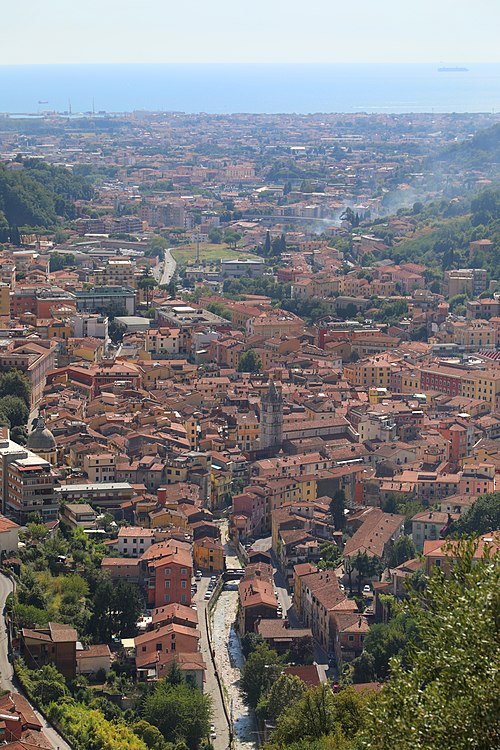
Carrara is a city located in the Tuscany region of Italy, renowned for its exquisite white and blue-grey marble, a material that has been prized since ancient times. Situated in the province of Massa-Carrara, Carrara lies at the foot of the Apuan Alps and serves as a gateway to the marble quarries that have been exploited since Roman times. The city's history is intricately linked to its marble production, with many famous sculptures and buildings, including Michelangelo’s David and the Pantheon in Rome, created from Carrara marble. The local economy has been shaped by this industry for centuries, with numerous quarrying and stone processing companies established in the area.
In addition to its marble heritage, Carrara boasts a rich cultural and historical background. The city itself features charming architecture, with narrow streets and elegant piazzas. The Cathedral of Sant'Andrea, constructed in the 12th century, showcases a blend of Romanesque and Gothic styles, and is adorned with spectacular marble work. Carrara also hosts a vibrant arts scene, nurturing artists and sculptors who continue to hone their craft using traditional techniques. A significant event in the cultural calendar is the Carrara Marble Festival, which celebrates both the local material and the artistry it inspires, drawing visitors from around the world. The city’s strategic location near the Ligurian Sea further enhances its appeal, providing access to beautiful beaches and stunning natural landscapes, making Carrara a unique blend of industry, culture, and nature in the heart of Tuscany.
Facts about Carrara
- Carrara is famous for its high-quality marble, which has been used in many renowned sculptures and buildings, including Michelangelo's David.
- The city has been a center of marble extraction since Roman times, and it is often called 'The Marble City' due to its historical significance in marble production.
- Carrara's marble quarries are located in the Apuan Alps, and the area offers stunning landscapes featuring both mountains and the sea.
- The Carrara Marble Festival, held annually, celebrates the city’s marble heritage with exhibitions, contests, and workshops featuring sculptors and artists.
- The town is home to the Church of Sant'Andrea, which features beautiful Romanesque architecture and holds significant historical value.
- Carrara has a population of around 60,000, making it a relatively small city compared to other Italian urban centers, yet it plays a vital role in the country’s art and sculpture heritage.
- The adjacent village of Colonnata is known for its production of Lardo di Colonnata, a celebrated Italian cured meat made from pork fat, which has a DOP (Protected Designation of Origin) label.
- Carrara's quarries provide a unique opportunity for visitors, who can take guided tours to see the extraction process and even hike along the quarry paths.
- The city has been depicted in numerous artworks and has inspired many artists and poets, contributing to its reputation as a hub of artistic creativity.
- Carrara's historical significance as a marble supplier continues today, with many modern buildings and contemporary art pieces relying on Carrara marble for their construction and design.