Cartagena, Spain
- 211,996 people
- 9 places to visit
- 37.6157, -0.9892
Places to Visit (9)
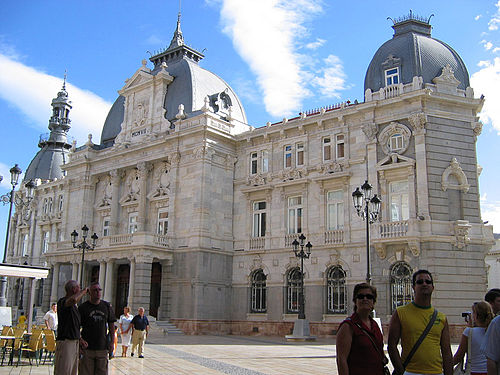
Cartagena is a port city located in the southeastern region of Spain, within the autonomous community of Murcia. Nestled on the Mediterranean coast, Cartagena boasts a rich historical heritage that dates back over two millennia, predating the Roman era. Originally founded by the Carthaginians in 227 BC as Qart Hadasht, the city soon came under Roman control and flourished as a significant naval and trade center known for its strategic harbor. The city's Roman influence is still evident today, with remarkably preserved ruins such as the Roman Theater, dating back to the 1st century BC, and the impressive remains of the Roman Forum. As an important military stronghold throughout history, Cartagena has seen various cultures and civilizations shape its identity, from Phoenicians and Romans to Moors and Christians.
In contemporary times, Cartagena serves as an important naval base for the Spanish Navy, significantly influencing its economy and demographics. The city is home to the Cartagena Naval Museum, showcasing maritime history and traditions tied to its naval significance. The local economy is further bolstered by tourism, driven by the city's historical sites, beautiful architecture, and vibrant cultural events, including the famous Carthaginians and Romans Festival which celebrates the city's ancient roots. Visitors can explore its picturesque streets filled with modern amenities while being surrounded by historical landmarks such as the baroque-style Palacio Consistorial and the stunning Plaza de España. The city also offers beautiful beaches and natural parks, contributing to its appeal as a destination for both local and international tourists. Additionally, Cartagena is known for its cuisine, particularly seafood dishes and the region's excellent wines. With its blend of history, culture, and natural beauty, Cartagena stands as a fascinating city that captures the essence of Spain's diverse heritage.
Facts about Cartagena
- Cartagena is home to the ancient Roman theater, one of the best-preserved Roman ruins in Spain, dating back to the 1st century BC.
- The city has a rich naval history and is known for its strategic harbor; it is often referred to as the 'Pearl of the Mediterranean.'
- Cartagena features a unique blend of architectural styles, showcasing influences from Roman, Moorish, and modernist periods.
- The historic center of Cartagena has been declared a Site of Cultural Interest (BIC), highlighting its importance in Spanish heritage.
- The annual Carthaginians and Romans festival reenacts the historic battles between the Carthaginian and Roman empires, attracting thousands of visitors each September.
- Cartagena's military heritage can be explored through its extensive series of fortifications, including the impressive Castillo de la Concepción.
- The city is known for its diverse maritime museums, including the National Museum of Underwater Archaeology, which focuses on historical shipwrecks.
- Cartagena boasts the unique 'City of Cartagena' stamp, awarded to cities that have made substantial contributions to the military and history of Spain.
- The Mediterranean climate of Cartagena makes it a popular destination for visitors seeking warm weather, beautiful beaches, and outdoor activities.
- Located on the southeastern coast of Spain, Cartagena is part of the Murcia region, which is known for its agricultural products, including produce and wine.