Cartago, Colombia
- 134,972 people
- 3 places to visit
- 4.7472, -75.9116
Places to Visit (3)
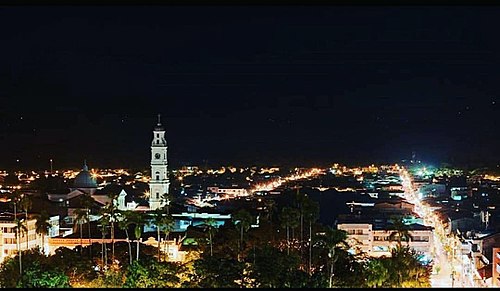
Cartago is a city located in the Caldas Department of Colombia, nestled in the highlands of the Colombian Andes. Founded in 1540 by the Spanish conqueror Julian de Pizarro, Cartago is one of the oldest cities in the country. Its strategic position at an elevation of approximately 1,500 meters (about 4,920 feet) above sea level provides a temperate climate, which has historically supported agriculture and commerce. The city played a significant role during the colonial period as a critical settlement for Spanish expeditions and trade routes, and it gained prominence as a provincial capital.
Cartago is known for its rich history and cultural heritage, which is visible in its architecture and historical sites. The Basilica Menor de Nuestra Señora de la Caridad, a prominent church, serves as a pilgrimage site for many and is a testament to the city’s religious significance. The annual festival in honor of the Virgin of Charity attracts thousands of visitors, reflecting the city’s vibrant cultural life. In addition to its religious heritage, Cartago has preserved various colonial-era structures, such as the Plaza de Bolívar. The city’s economy is primarily based on agriculture, with coffee and sugarcane being key products, supported by its fertile lands. Cartago also serves as a commercial hub, linking the coffee-producing region with other urban centers in Colombia.
In recent years, Cartago has modernized while maintaining its historic charm. Efforts have been made to improve infrastructure, attract tourism, and enhance living standards. The population of Cartago is approximately 80,000 residents, and the city continues to evolve, balancing tradition with modernity. Surrounded by picturesque landscapes and located near the famed Parque Nacional Los Nevados, Cartago offers opportunities for eco-tourism and outdoor activities, making it an attractive destination for both national and international visitors. As such, Cartago stands out as a city that embodies Colombia's rich history while pursuing development in a competitive global landscape.
Facts about Cartago
- Cartago is known as the 'Mother of Coffee' for its significant contribution to Colombia's coffee industry, especially in the late 19th and early 20th centuries.
- The city is home to the Basílica Menor Metropolitana de Nuestra Señora de la Inmaculada Concepción, an iconic church that features stunning architecture and is a major pilgrimage site.
- Cartago was the first capital of the Province of Caldas in the 19th century, serving as an important political and administrative center during a crucial period in Colombia's history.
- The region around Cartago is famous for its coffee farms, and it is a part of the Coffee Cultural Landscape, recognized as a UNESCO World Heritage site.
- Each year, Cartago hosts the Festival de la Música Religiosa, a significant event that attracts numerous local and international choirs, showcasing religious music performances.
- Cartago's Parque de la Isleta is a notable recreational area, featuring picturesque landscapes and a serene environment, distinguishing it from other urban parks in Colombia.
- The city has a rich indigenous history, including being part of the territory of the Quimbaya civilization, known for their incredible craftsmanship and goldwork.
- Cartago has a unique tradition of artisanal pottery, particularly known for its distinctive talavera ceramics, which reflect the city's cultural blend.
- In contrast to larger Colombian cities, Cartago offers a more relaxed pace of life, making it a charming stop for visitors wanting to experience genuine rural culture.
- The city has played a key role in Colombia's coffee supply chain and is recognized for producing some of the finest coffee varieties, further establishing its significance in the coffee industry.