Caruaru, Brazil
- 235,371 people
- 8 places to visit
- -8.2823, -35.9715
Places to Visit (8)
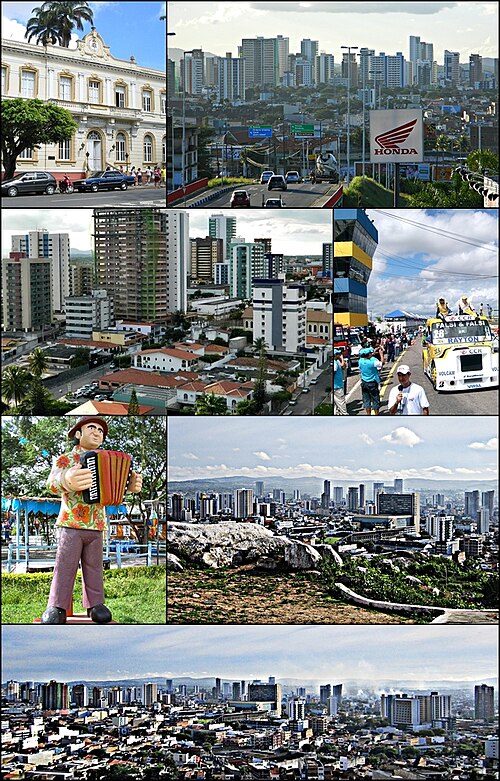
Caruaru is a significant city located in the state of Pernambuco, Brazil. Approximately 130 kilometers (81 miles) from the state capital, Recife, it is situated in the Agreste region, characterized by its distinct rocky terrain and semi-arid climate. Established in the mid-19th century, Caruaru has grown to become one of the most important urban centers in northeastern Brazil. As of the latest census, the city has a population of over 350,000 inhabitants, making it one of the largest cities in the region. The economy of Caruaru is diverse, with a strong emphasis on commerce, agriculture, and manufacturing. The city is renowned for its vibrant local markets, especially the Feira de Caruaru, one of the largest and most famous in Brazil, attracting vendors and visitors from across the country.
Caruaru is also a cultural hub, celebrated for its rich traditions in music, art, and crafts. It plays a crucial role in the preservation of regional folklore, particularly through the annual Festa Junina, a festival that commemorates rural traditions and includes traditional dances, food, and music. The city is famous for its unique pottery and figurines made from local clay, which reflect the cultural heritage of the region. Additionally, Caruaru has recognized significant figures in Brazilian music, including the renowned musician Luiz Gonzaga, often referred to as the "King of Baião," who was instrumental in popularizing northeastern Brazilian musical styles. The city’s cultural significance, combined with its economic vitality and strategic location, makes it an important area for both local and national development in Brazil.
Facts about Caruaru
- Caruaru is known as the 'Capital of Forró,' a traditional genre of music and dance in Brazil, and hosts the largest Forró festival in the country each June.
- The city is famous for its vibrant São João Festival, which is one of the biggest of its kind in Brazil, attracting thousands of visitors each year and featuring music, dance, and traditional foods.
- Caruaru is recognized for its pottery and crafts, particularly the unique 'Caruaru clay pots,' which highlight the city’s artisanal heritage and are a significant part of local culture.
- The Feira de Caruaru (Caruaru Market) is one of the largest open-air markets in Brazil, offering a diverse range of products from handicrafts to fresh produce and traditional foods.
- Caruaru has a rich cultural history, being one of the first cities to be colonized in the region, and has significant historical landmarks such as the Museu do Forró e Cultura Popular.
- The city is also known for its local cuisine, particularly 'tapioca,' a popular dish made from cassava flour that can be filled with various sweet or savory items.
- Located in the state of Pernambuco, Caruaru is near the historic town of Olinda, a UNESCO World Heritage Site, providing a cultural contrast with its fast-paced urban life.
- Caruaru is home to the unique 'Caruaru's Women of Clay,' an initiative that supports female artisans and recognizes their contributions to the city's rich cultural legacy.
- The city played a major role in the development of the Brazilian northeastern culture, often being called the 'cultural capital of Pernambuco' due to its music, dance, and artistic expressions.
- Caruaru's geographic location in the Agreste region makes it a pivotal point for agriculture, providing economic benefits and enhancing its status as an important trade center.