Casablanca, Morocco
- 3,665,954 people
- 17 places to visit
- 33.5731, -7.5898
Places to Visit (17)
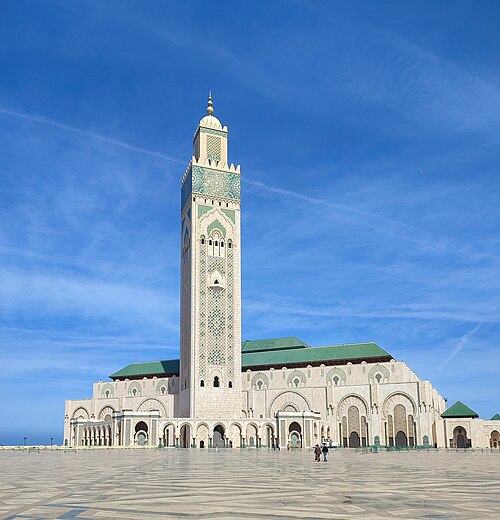
Casablanca, known as Dar al-Bayda in Arabic, is the largest city in Morocco and serves as a major economic and cultural hub in North Africa. Situated on the Atlantic coast, Casablanca has a population exceeding 3.7 million people, making it one of the most populous cities in Africa. The city's strategic location has historically made it a significant port, facilitating trade and commerce for centuries. Established in the 7th century, Casablanca has evolved from a Berber settlement to a vibrant metropolis. It gained prominence during the French protectorate in the early 20th century, which saw extensive urban development, including the architecture and infrastructure that characterize the city today.
Casablanca is renowned for its blend of modernity and tradition, showcased through its diverse architectural styles ranging from Art Deco to Moorish influences. One of the most iconic landmarks in the city is the Hassan II Mosque, which boasts the tallest minaret in the world at 210 meters. The mosque, completed in 1993, can accommodate over 25,000 worshippers and is a stunning example of contemporary Islamic architecture. Additionally, the city is home to a bustling medina, vibrant marketplaces, and the upscale district of Ain Diab, known for its beaches and nightlife. Casablanca's economy is diverse, with key sectors including finance, manufacturing, and technology; it is often referred to as the economic heart of Morocco. The city's rich cultural landscape features museums, art galleries, and theaters, reflecting Morocco's heritage while also embracing global influences.
Today, Casablanca continues to be a focal point for tourism, drawing visitors with its historical sites, culinary delights, and the warm hospitality of its inhabitants. While it is often overshadowed by Marrakech in terms of tourism, Casablanca offers a unique glimpse into Morocco's urban life and modernization. As one of the country’s key cities, it plays a pivotal role in shaping Morocco's identity, making it a vital center for culture, economics, and innovation in the region. The city’s dynamic essence, coupled with its historical roots, ensures that it remains a place of interest for both residents and travelers alike.
Facts about Casablanca
- Casablanca is the largest city in Morocco and a major economic hub in Africa, often referred to as the country's economic capital.
- Unlike other Moroccan cities, Casablanca is known for its modern architecture, including landmarks like the Hassan II Mosque, which is one of the largest mosques in the world.
- Casablanca has a rich film history and was the setting for the iconic 1942 movie 'Casablanca,' starring Humphrey Bogart and Ingrid Bergman, which boosted its fame internationally.
- The city features a unique blend of French colonial architecture and traditional Moroccan design, giving it a distinctly cosmopolitan flavor that sets it apart from more traditional cities like Marrakech or Fes.
- Casablanca's Medina is less touristy compared to other Moroccan cities, providing a more authentic and bustling atmosphere that reflects the city's vibrant culture.
- The city is home to Morocco's primary port, the Port of Casablanca, which is the largest port in North Africa and plays a crucial role in trade and commerce.
- Casablanca hosts many cultural events and festivals, including the Casablanca Festival of Jazz, which attracts international artists and music lovers.
- In an effort to modernize, Casablanca is undergoing significant urban development projects, such as the Casablanca Tramway, which is the first of its kind in Morocco.
- The city's nightlife and dining scene are much more vibrant and diverse compared to other Moroccan cities, with a variety of international restaurants, cafes, and bars.
- Casablanca has a diverse population, with a significant community of expatriates and immigrants, contributing to its multicultural environment.